
Kaushik Das
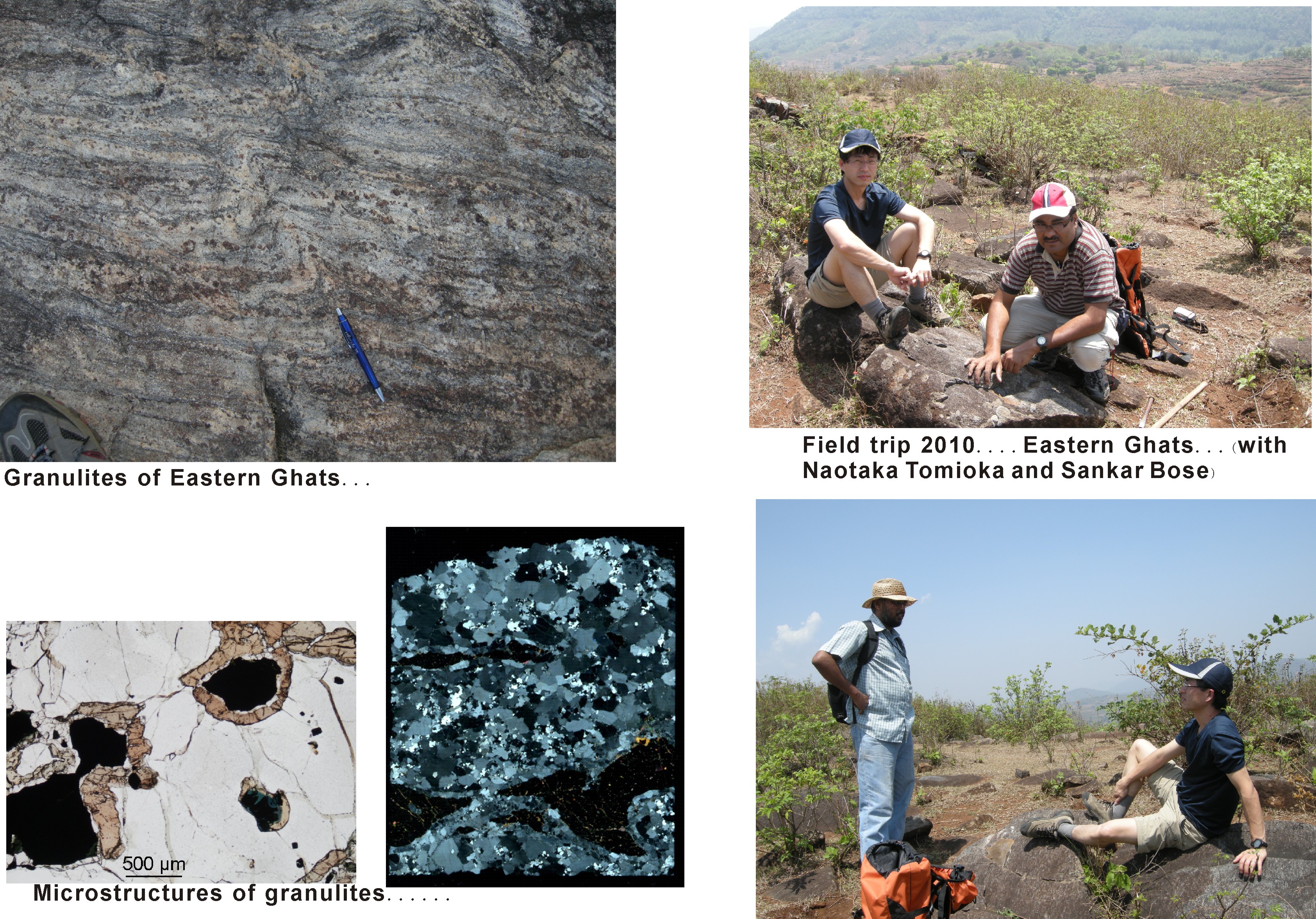
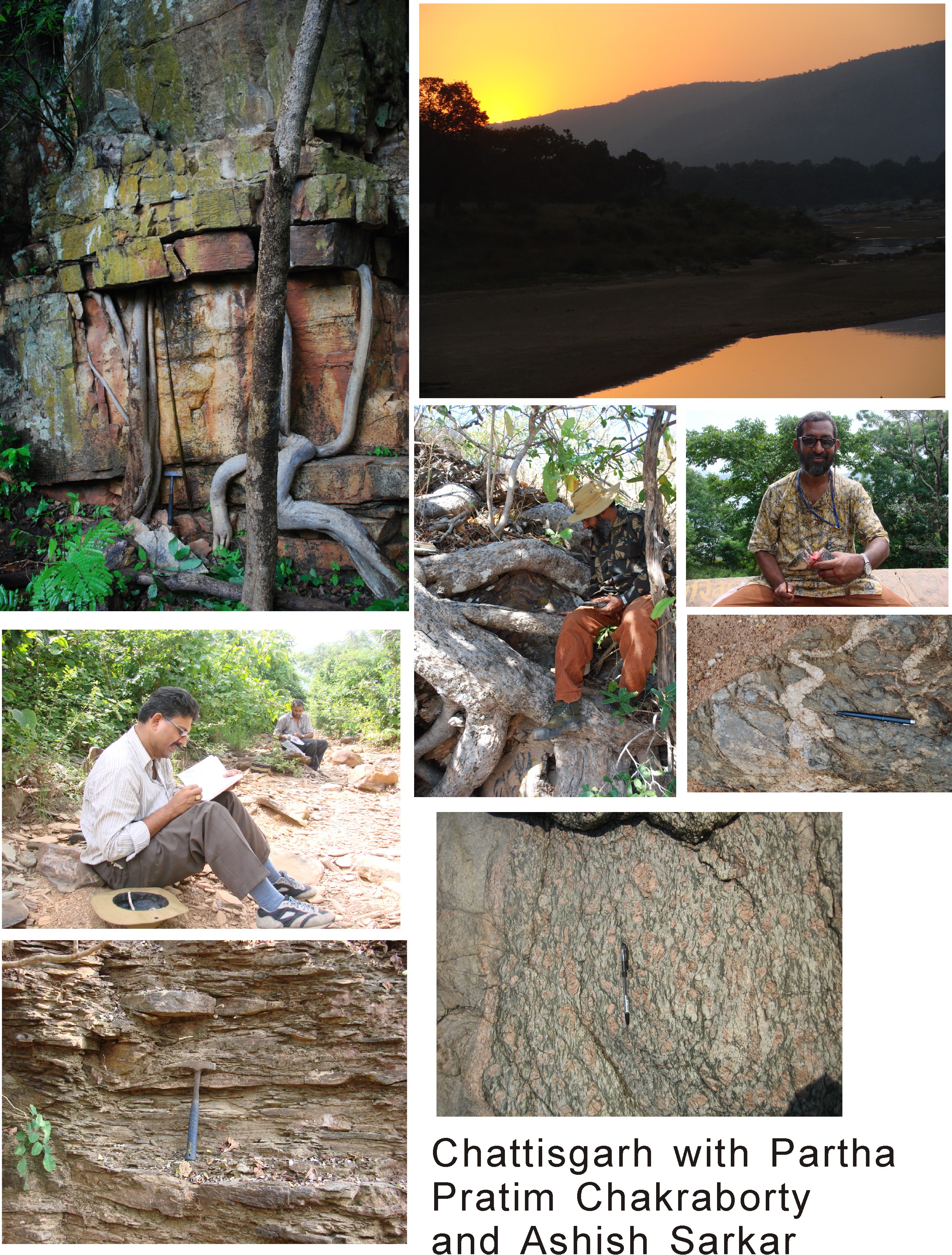
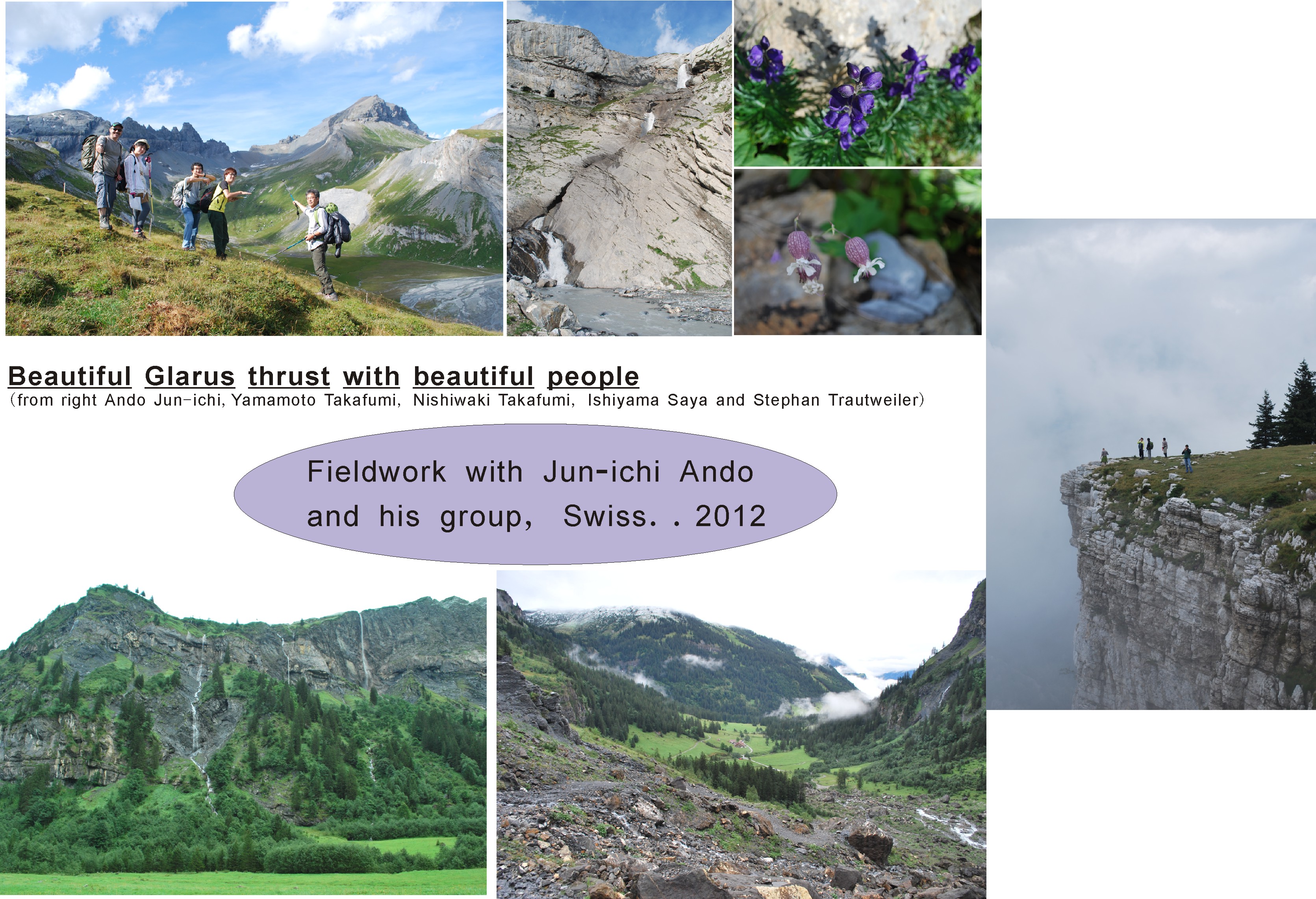
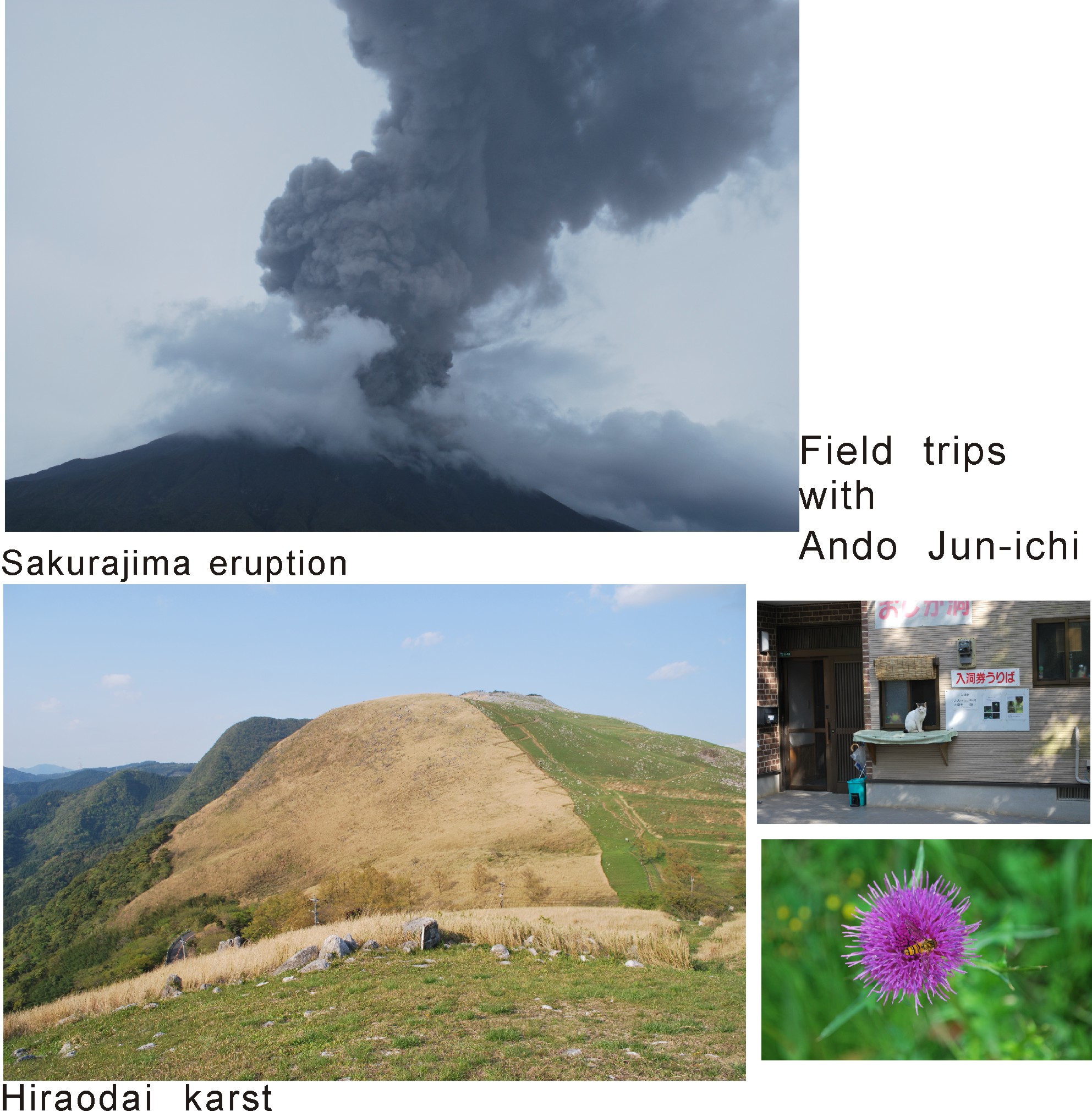
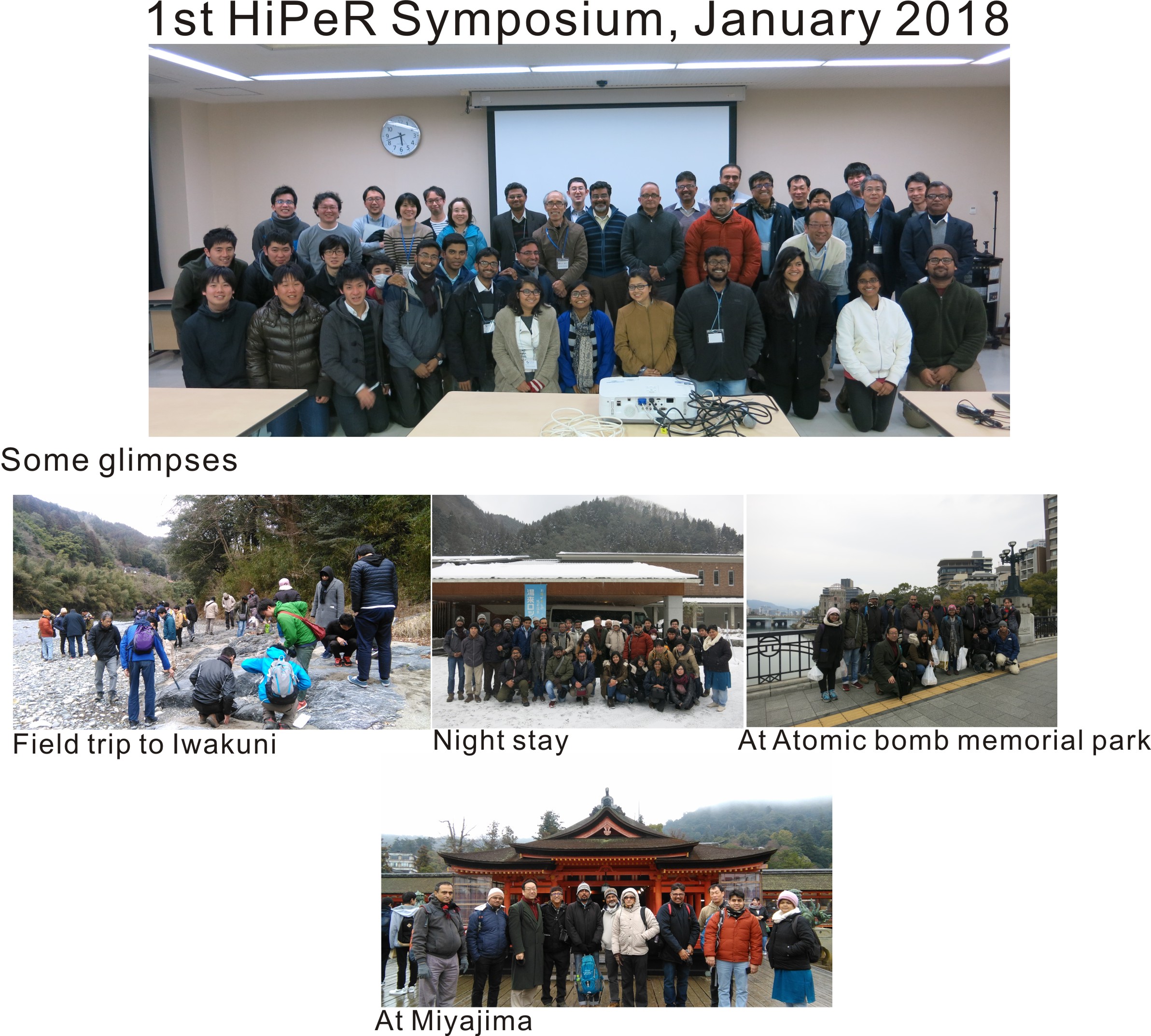
Research topics/field (Deep crustal studies, Shallow crustal studies, Swiss-Alps, Sakurajima-Hiraodai, HiPeR Symposium at Hiroshima)
QUALIFICATIONS
a) B.
Sc. in 1988 from Jadavpur University, Kolkata, West Bengal, India
b) M.
Sc. in 1991 from Jadavpur University, Kolkata, West Bengal, India.
c) Ph.D.
in 2000 from the Division of Earth and Planetary Sciences, Hokkaido University,
Japan.
RESEARCH
INTEREST
Metamorphic Geology, Deformation microstructures and rheological behavior of minerals (Mineral Physics and Mineral Chemistry), Experimental petrology-mineralogy,
Geochronology and isotope geochemistry, Precambrian geology.
TEACHING/RESEARCH EXPERIENCE
Professor,
Hiroshima University, Japan from March 2024.
Associate
Professor, Hiroshima University, Japan from April 2014 to March 2024.
Assistant
Professor, Hiroshima University, Japan from April 2012 to March 2014.
Assistant Professor,
Bengal Engineering and Science University, Shibpur,
Howrah, India from June 2008 to March 2012.
Assistant
Professor, Indian School of Mines, Dhanbad from October 2005 to June 2008.
Lecturer,
Department of Geology, Banaras Hindu University from November 2004 to October
2005.
CSIR Scientists’
Pool at Department of Geology, Presidency College, Kolkata from March 2003
to November 2004.
Researcher at
NIRIM (Presently NIMS), Tsukuba, Japan with Japan Science and Technology
Corporation from 2000-2002.
Major collaborations
1. Presidency University, India (Sankar Bose, for granulite studies)
2. Delhi University, India (Partha Pratim Chakraborty, for shallow crustal
studies)
3. Jadavpur University, India (Subrata Karmakar, Sadhana
M. Chatterjee for large-scale structural studies)
4. Kochi Core Center, JAMSTEC, Japan (Naotaka Tomioka, for micro-textural and
microstructural studies and processes; Naotaka Tomioka)
5. Hiroshima University, Japan (Jun-ichi Ando for deformation microstructures
and rheological behavior of minerals in deep crust, Yasutaka Hayasaka for
geochronology and geochemistry,
Tomoeki Nakakuki for
modelling deep crustal processes).
6. Nagoya University, Japan (Hiroshi Hidaka for SHRIMP geochronology)
7. Pondicherry University, India (S. Balakrishnan for Sm-Nd
geochemistry).
8. Arizona University, USA (Jibamitra Ganguly for studying cooling/exhumation
history of Precambrian orogens).
9. Hokkaido University, Japan (Hiroyuki Miura and Hiroharu Matsueda (Hokkaido
University Museum) for mineralogical and fluid inclusion characterization).
A recent memorable award (Hiroshima University President’s award)

Useful links
1. Mineral database (RRUFF database)
2. High-pressure mineral database (by Naotaka
Tomioka)
3. Cell parameter calculations (dcalc
by Naotaka Tomioka), (cellcalc by Hiroyuki
Miura)
4. ReciPro and other
crystallographic software (by Yusuke SETO)
5. P-T calculations and cation diffusion (by Prof. Jibamitra Ganguly)
6. Zircon U-Pb raw
data processing (CONCH by Dave Nelson doi:
10.1016/j.cageo.2006.02.009)
Members
1. Mineralogical Society of Japan
2. Geological Society of Japan
3. Japan Geoscience Union (JPGU)
4. European Geosciences Union (EGU) 2025~