Research Areas
Explore our main research topics and representative projects.
01
Proteins and Peptides
We investigate protein and peptide structures and conformational changes associated with interactions with lipid membranes.
Understanding Protein Function through Structural Changes
Proteins change their conformations in response to their environment and interactions with other molecules, enabling them to perform biological functions. Using vacuum-ultraviolet circular dichroism (VUVCD) spectroscopy, we investigate the secondary structures of proteins and peptides to clarify relationships between structure and function. We focus particularly on membrane-induced conformational changes, structural transitions, and protein folding.
Structural Study of α1-Acid Glycoprotein (AGP) Involved in Drug Transport
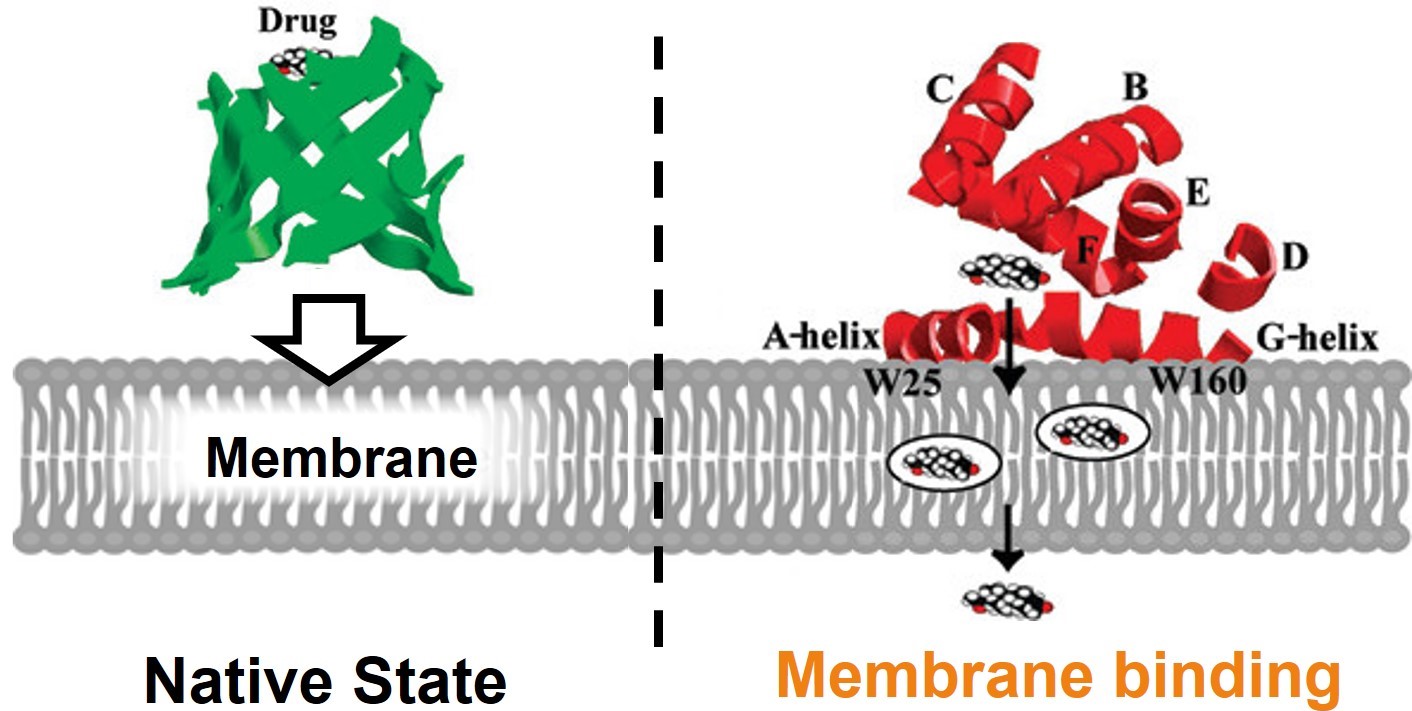
Alpha1-acid glycoprotein (AGP) is a protein involved in drug transport, and conformational changes induced by interactions with biological membranes may affect its function.
We investigated the conformation of AGP interacting with liposomal membranes using VUVCD spectroscopy. Our results showed that both electrostatic and hydrophobic interactions contribute to membrane binding. Analysis of secondary-structure-forming regions also suggested that an α-helix formed near the N-terminus overlaps with a drug-binding region, indicating a possible role for this conformational change in AGP-mediated drug transport.
Membrane-Induced Structural Changes of the Antimicrobial Peptide Magainin 2 (M2)
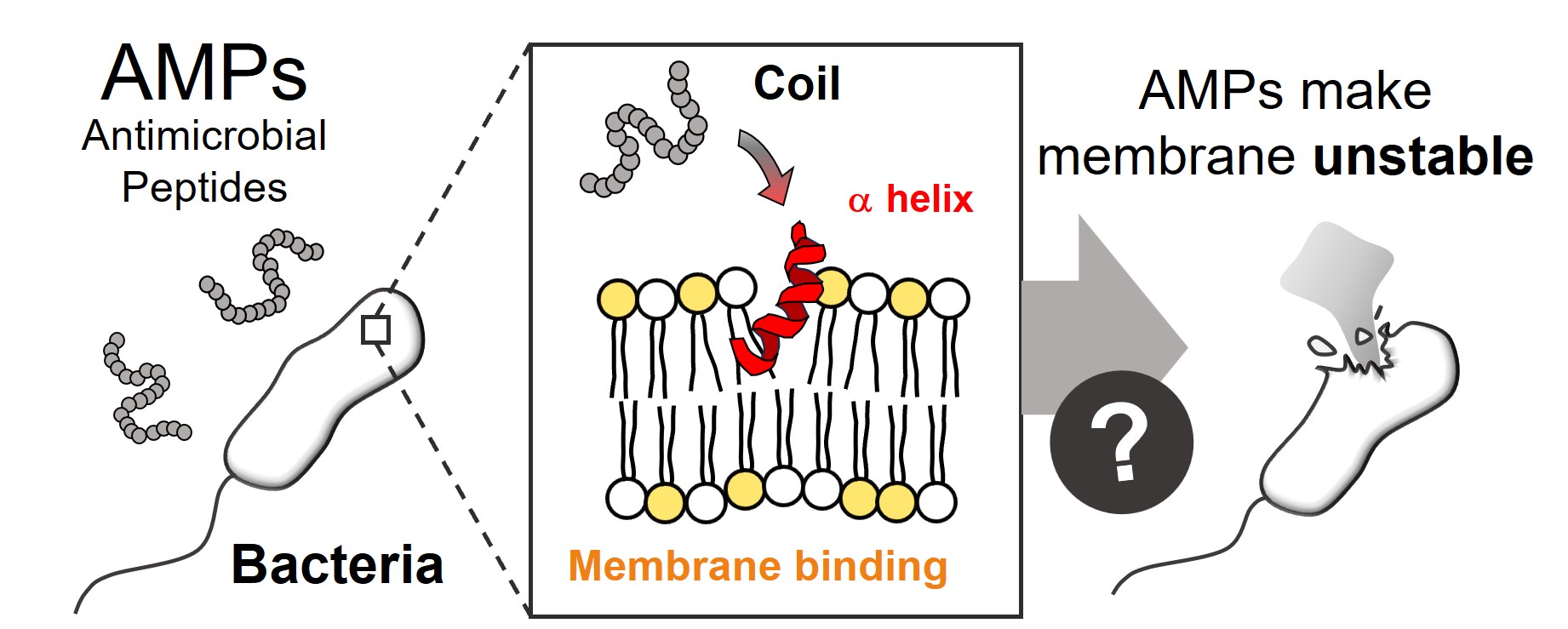
Antimicrobial resistance is a major global health challenge. Antimicrobial peptides (AMPs), which act on microbial membranes, are promising candidates for new antimicrobial agents. Understanding their membrane-binding mechanisms is important for potential clinical applications.
We analyzed the membrane-bound conformation of magainin 2 (M2), a representative AMP, using VUVCD and linear dichroism (LD) spectroscopy. Our results revealed a transition from a random-coil to an α-helical conformation upon membrane interaction, accompanied by formation of β-sheet oligomers. These oligomers were found to orient approximately perpendicular to the membrane surface and destabilize the membrane, suggesting that β-sheet oligomerization is important for the antimicrobial action of M2.
Structural Studies of Disease-Related α-Synuclein (α-Syn)
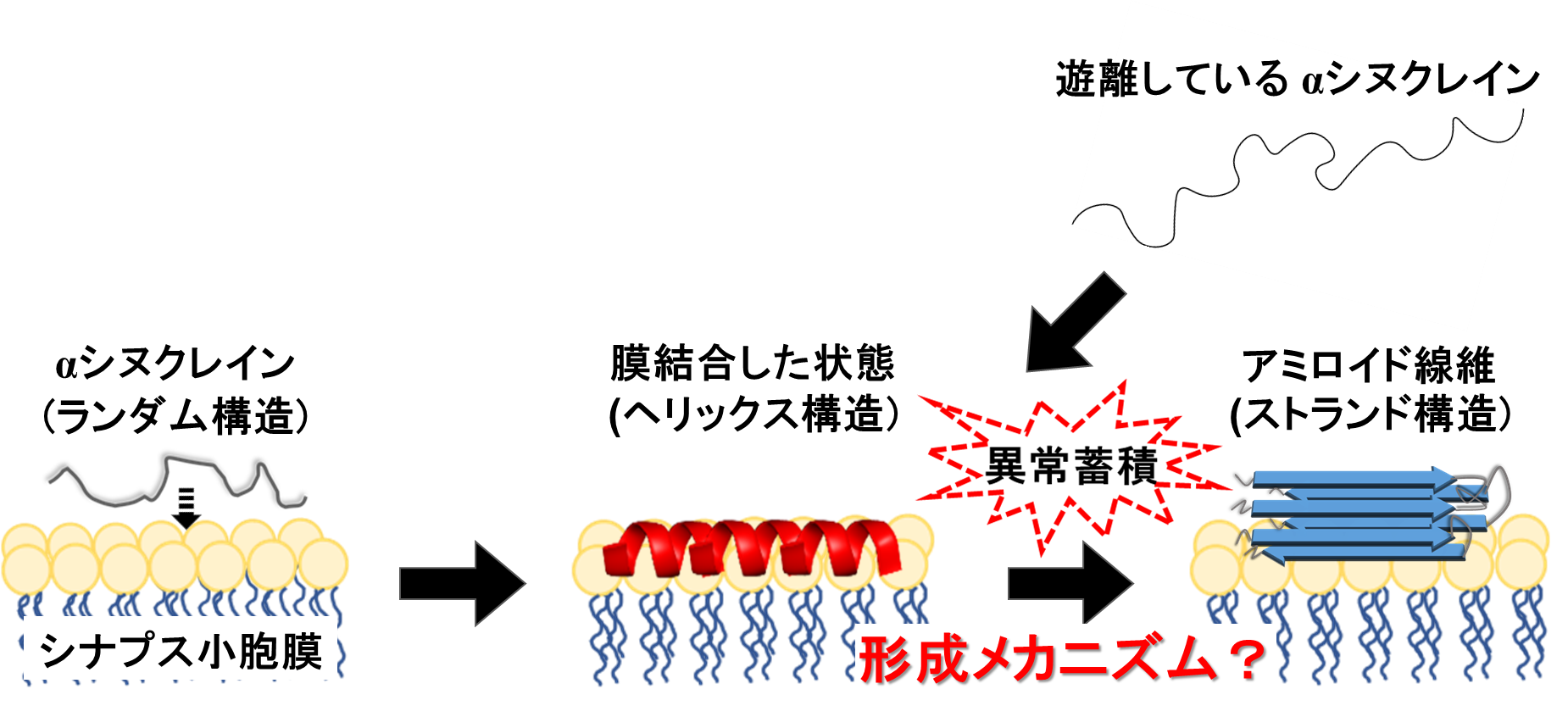
Alpha-synuclein (α-Syn) is associated with Parkinson’s disease and other neurodegenerative disorders through its abnormal accumulation and formation of amyloid fibrils in neurons. Although membrane binding promotes its transition from a disordered conformation to an α-helical structure, how this subsequently leads to amyloid fibril formation remains incompletely understood.
Using VUVCD and complementary methods, we investigate membrane-bound α-Syn conformations and fibril formation to determine how lipid interactions and environmental conditions influence amyloid assembly. Our goal is to clarify molecular mechanisms linking membrane-induced structural changes to pathological aggregation.
02
Carbohydrates and Polymers
We study the structures of carbohydrates, polysaccharides, and polymers in solution and their relationships with physical properties.
Understanding the Structure and Properties of Carbohydrates and Polymers
We study how molecular structures and conformations of carbohydrates, polysaccharides, and polymers determine their physical properties and functions. Using VUVCD spectroscopy, we examine conformational equilibria in solution, intermolecular interactions, self-assembly, and structural changes during gelation. Where appropriate, we combine spectroscopy with scattering methods and computational approaches to understand these materials at the molecular level.
Structural Analysis of Saccharides in Aqueous Solution Using CD and Computational Methods
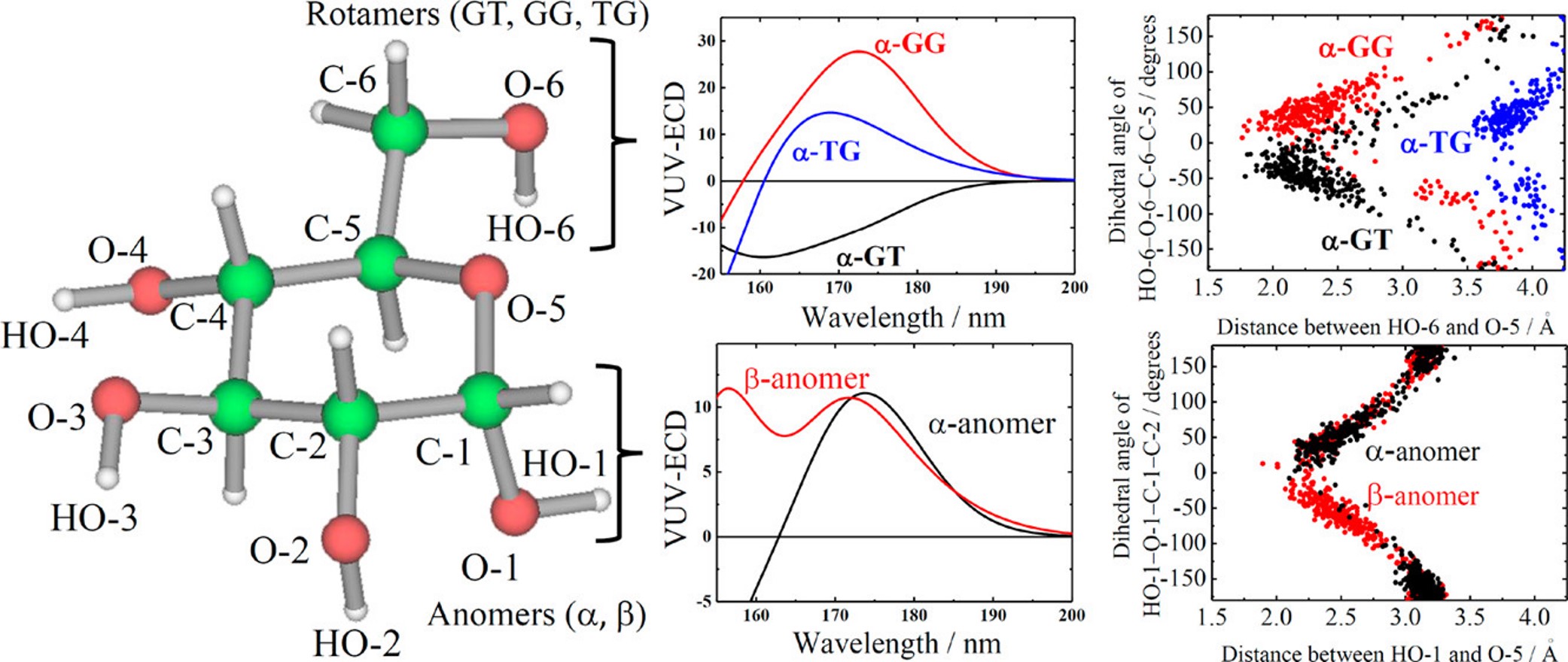
The conformations of monosaccharides influence a variety of properties, including biomolecular stabilization, solution viscosity, and protein-binding affinity. Understanding these effects requires knowledge of intramolecular interactions, hydration, and conformational dynamics in solution. D-glucose (D-Glc) exists as six interconverting isomers in aqueous solution, but the relationships between their populations and structural parameters had not been fully characterized.
We combined VUVCD measurements, molecular dynamics (MD) simulations, and time-dependent density functional theory (TDDFT) calculations to analyze the solution structures of the six D-Glc isomers. This approach revealed relationships between isomer populations and structural parameters and helped characterize the equilibrium conformations of D-Glc in water.
The combination of VUVCD spectroscopy and computational chemistry provides a useful approach for elucidating the solution structures of monosaccharides.
The combination of VUVCD spectroscopy and computational chemistry provides a useful approach for elucidating the solution structures of monosaccharides.
Ca²⁺-Induced Self-Assembly and Gelation of Alginate
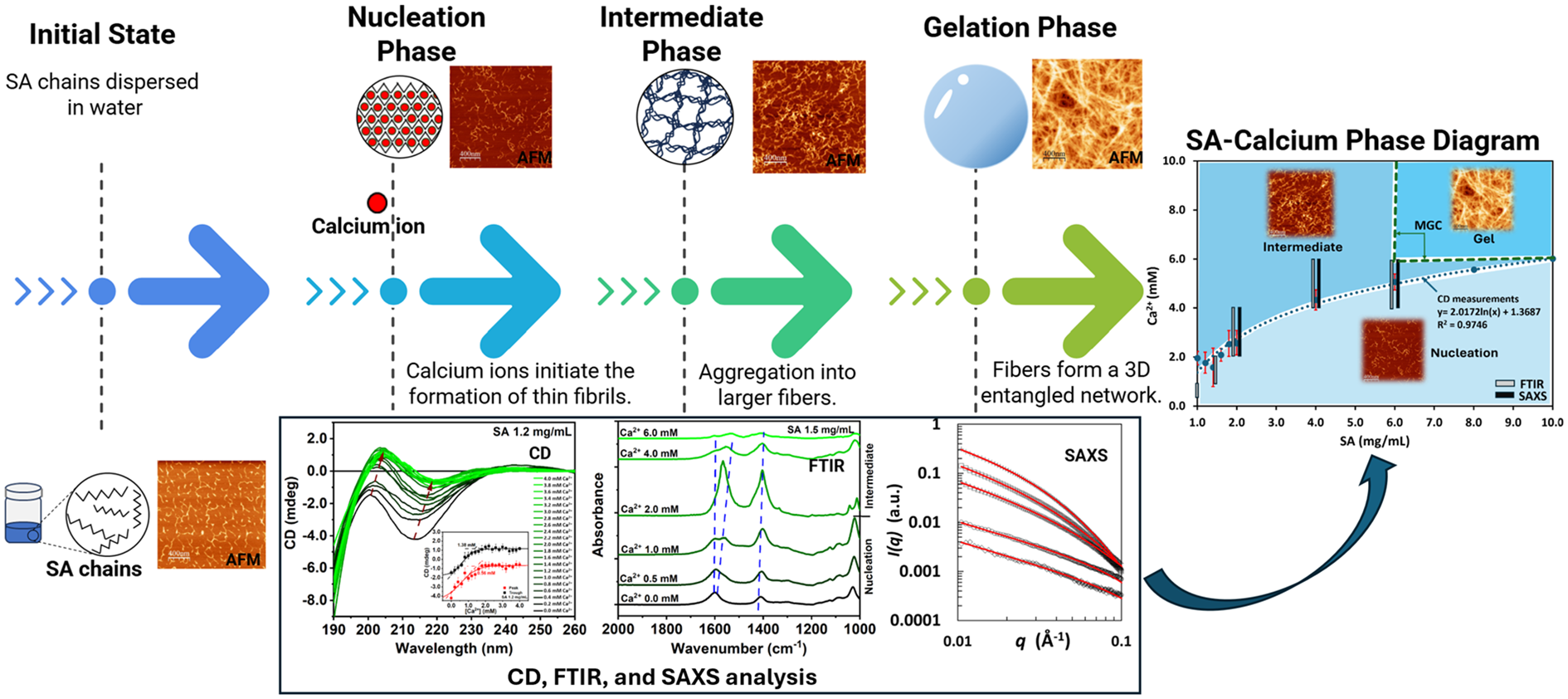
Alginate is a naturally occurring polysaccharide that forms gels through Ca²⁺-mediated cross-linking of its molecular chains. We combined CD spectroscopy, FTIR, SAXS, and AFM to investigate its self-assembly and gelation upon Ca²⁺ addition. The results revealed three stages of structural development: nucleation, an intermediate state, and gelation. CD spectroscopy was particularly sensitive to early conformational changes preceding macroscopic gel formation.
03
Advanced Spectroscopic Techniques and Instrumentation
We develop time-resolved, imaging, and efficient VUVCD measurements by exploiting the unique properties of synchrotron radiation.
Expanding the Capabilities of VUVCD
By taking advantage of the high brilliance of synchrotron radiation and its broad wavelength coverage extending into the vacuum-ultraviolet region, we develop measurement techniques and instrumentation that reveal biomolecular structural information difficult to obtain using conventional CD spectroscopy. Our work includes time-resolved VUVCD for monitoring protein structural changes in real time, imaging methods for spatially resolved structural analysis, and improvements in measurement efficiency and automation. These developments aim to move beyond average solution structures toward a more comprehensive picture of molecular dynamics and spatial heterogeneity.
Development of Time-Resolved VUVCD Spectroscopy for Monitoring Structural Dynamics
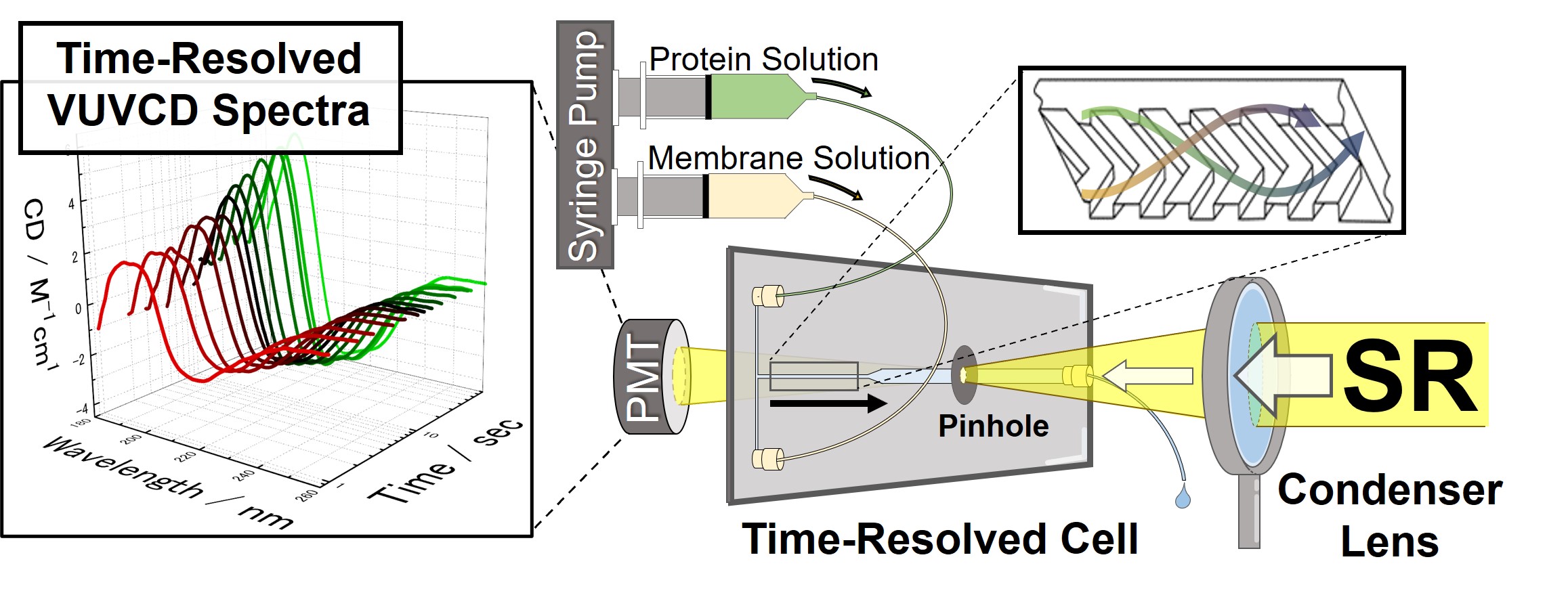
Biomolecular structure is closely related to biological function. Proteins undergo time-dependent conformational changes in response to environmental conditions and interactions with other molecules. Understanding these processes requires not only comparing structures before and after a reaction, but also observing the structural pathways and transient intermediate states.
We developed a time-resolved VUVCD (TR-VUVCD) system by incorporating a solution-mixing mechanism into the existing VUVCD spectrophotometer. By acquiring CD spectra continuously after initiating a reaction, this system enables real-time tracking of protein conformational changes and characterization of transient intermediates that are difficult to observe with conventional steady-state measurements.
We apply this technique to interactions of proteins with lipid membranes and surfactants to investigate structural transition rates, pathways, and their relationship to function. We are also improving measurement conditions and instrumentation to extend dynamic structural analysis to a wider range of biomolecular reactions.
Beamlines and Instrumentation
HiSOR BL-12
Vacuum-Ultraviolet Circular Dichroism Spectrophotometer (VUVCD)
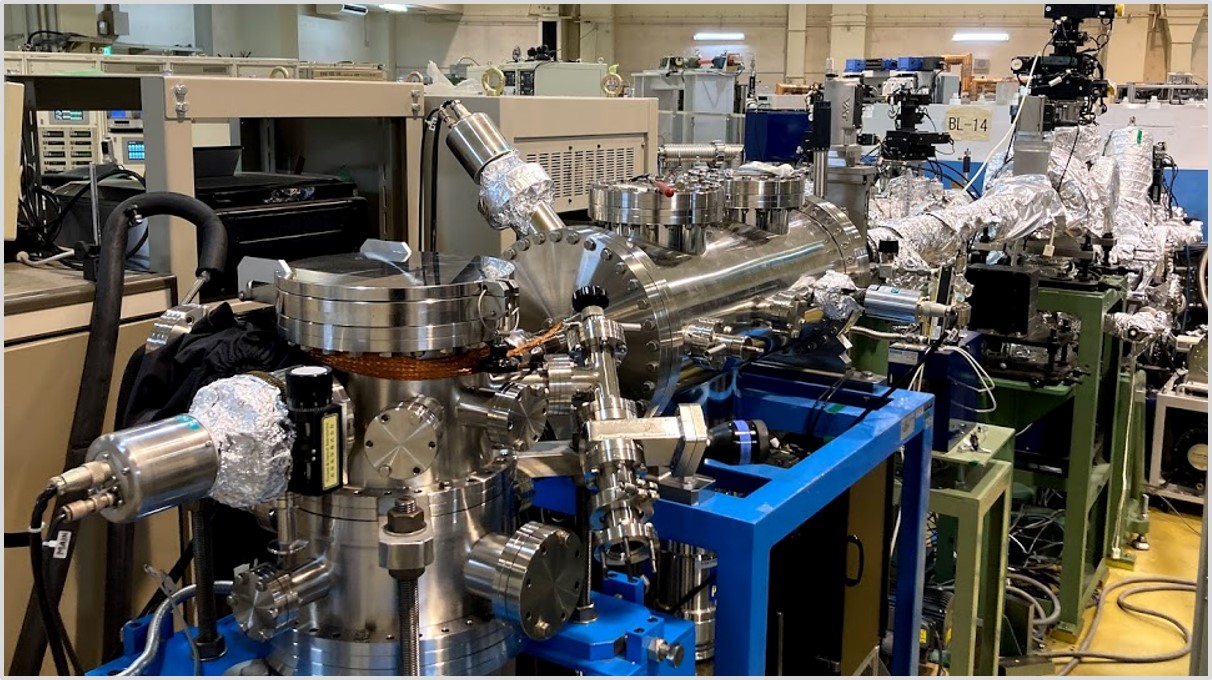
BL-12 is a beamline for investigating three-dimensional biomolecular structures using synchrotron radiation over a wavelength range of 320–120 nm, from the near-ultraviolet to the vacuum-ultraviolet region. It houses a dedicated circular dichroism spectrophotometer that supports CD and linear dichroism measurements of liquid and solid samples.
The facility also provides temperature control from −20 to 100 °C and Schwarzschild focusing optics capable of focusing synchrotron radiation to a spot size of several tens of micrometers. These capabilities support time-resolved and spatially resolved measurements in addition to conventional structural analysis.
For inquiries about instrumentation and beamline use:
Koichi Matsuo
HiSOR BL-15
Vacuum-Ultraviolet Linear Dichroism Spectrophotometer (VUVLD; Under Development)
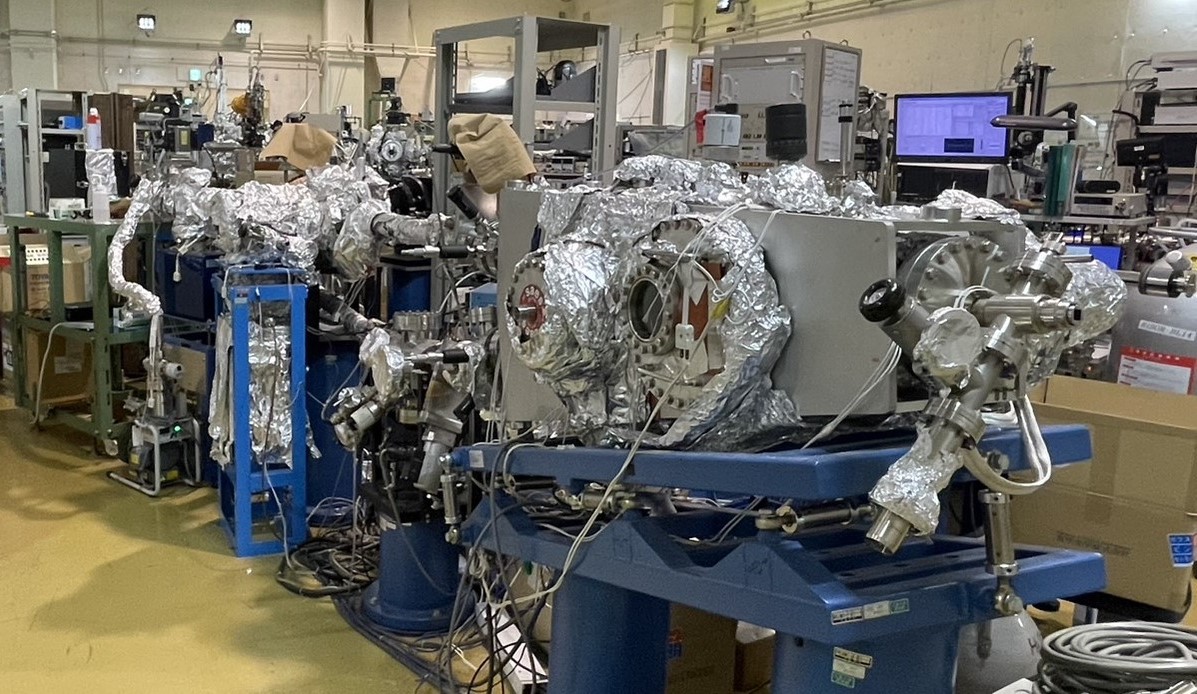
BL-15 is designed to investigate molecular orientation, particularly in biomolecular systems, using synchrotron radiation from 320 to 40 nm. Its endstation is equipped with an optical system for linear dichroism measurements, comprising a linear polarizer, a photoelastic modulator, and a detector. This flexible arrangement can be further developed and adapted for polarization measurements of a variety of biomaterials.
For inquiries about instrumentation and beamline use:
Koichi Matsuo