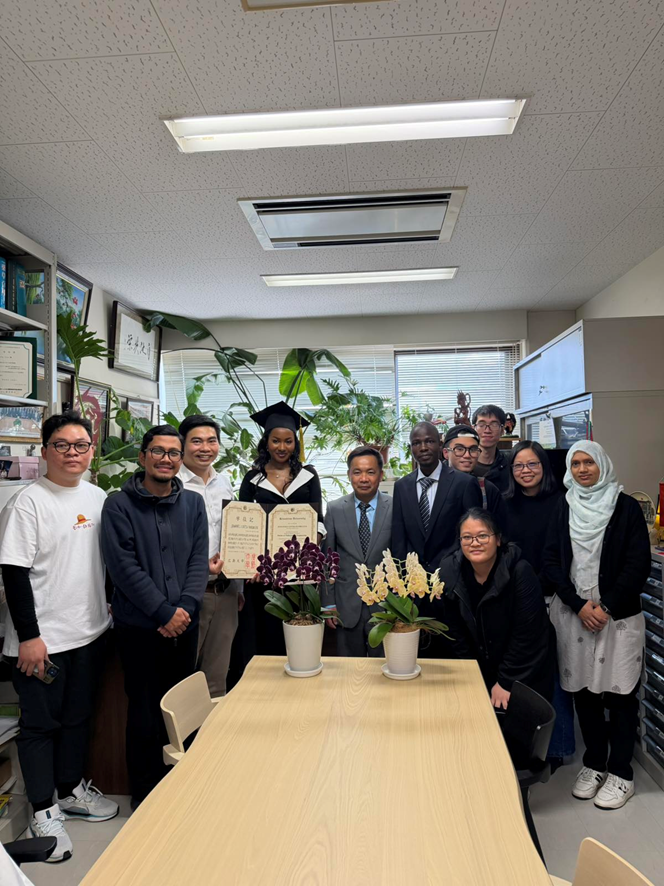
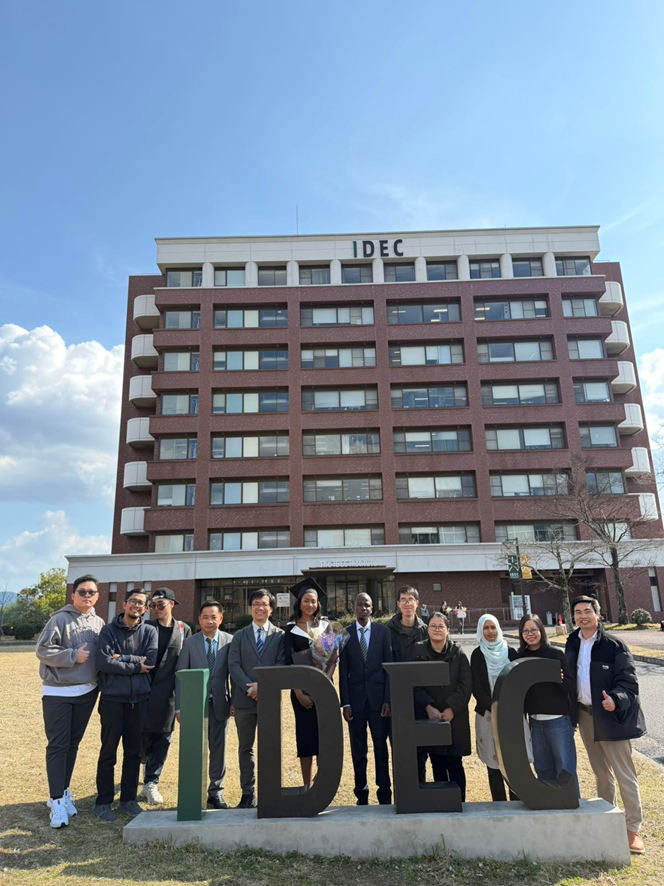
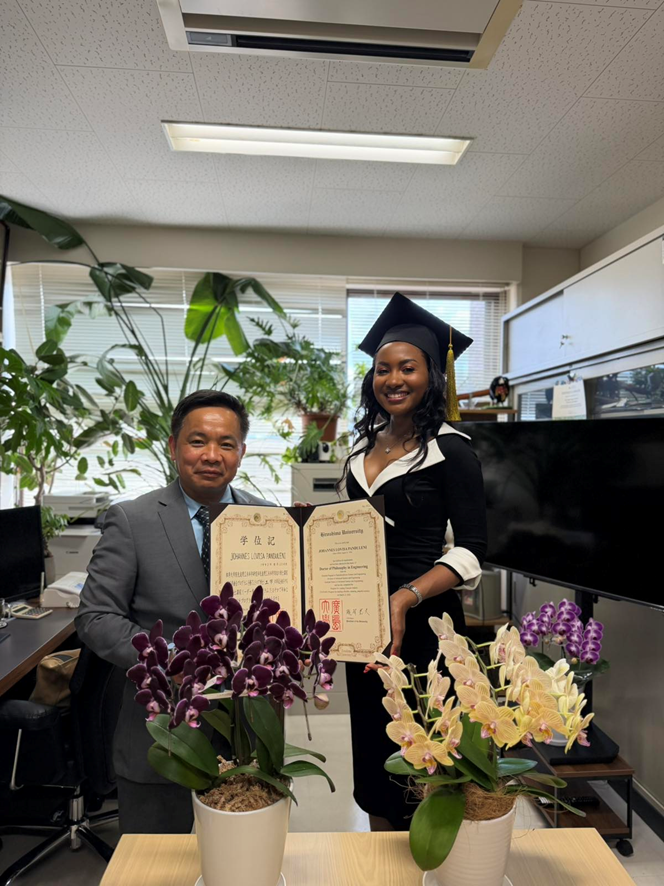
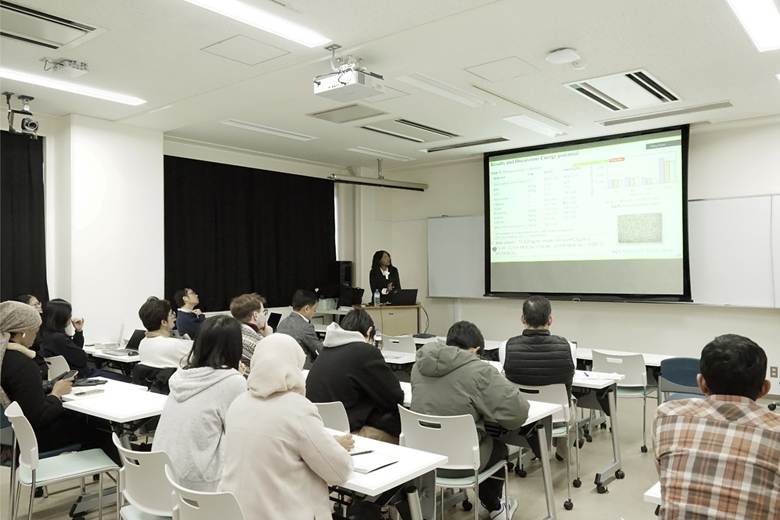
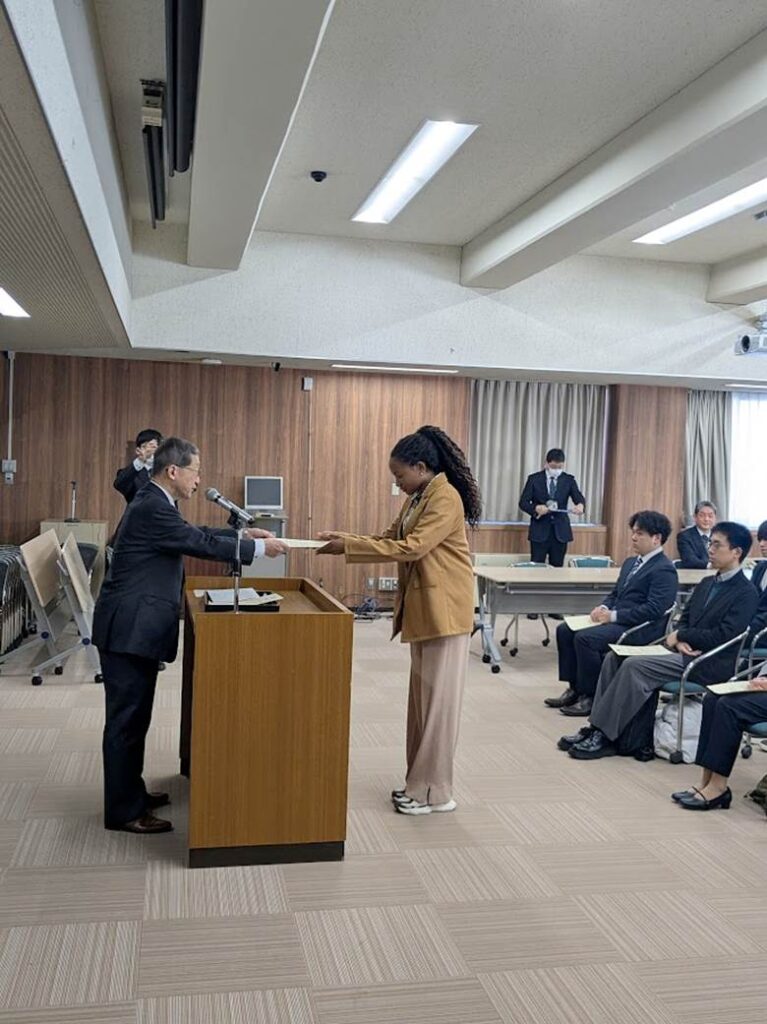
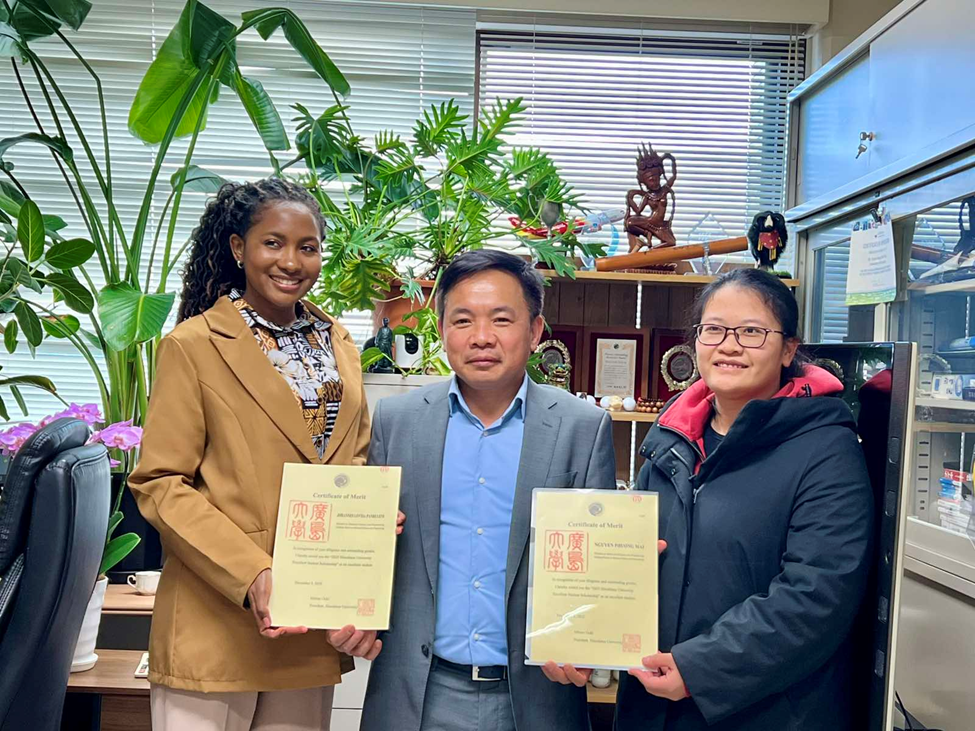
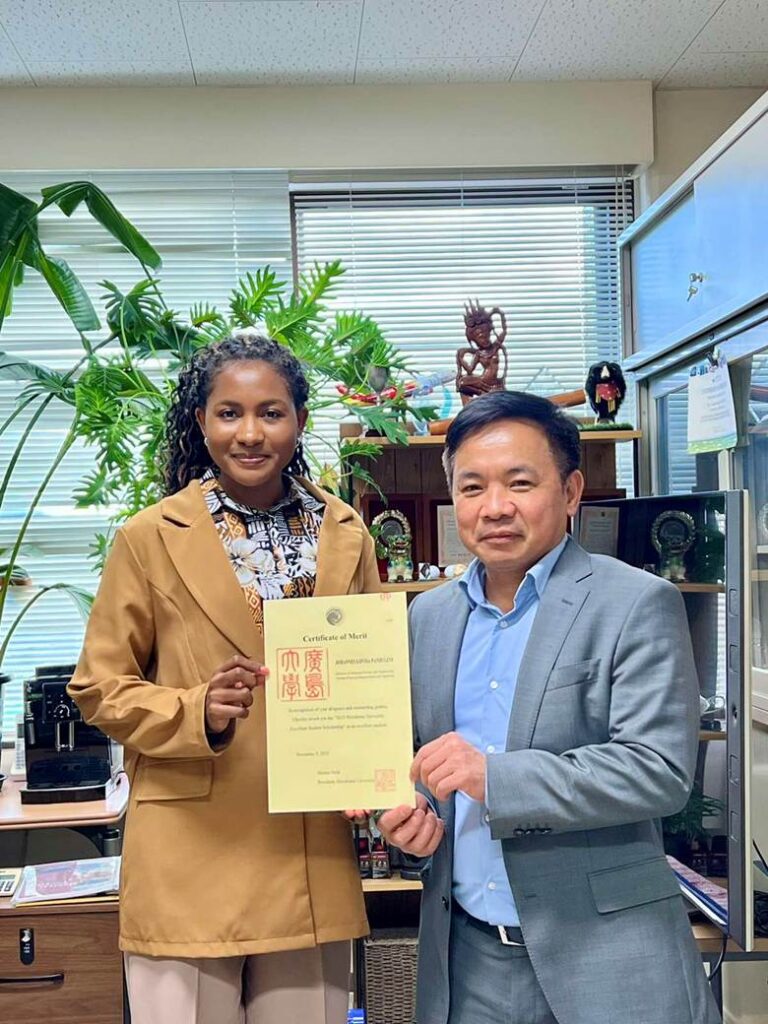
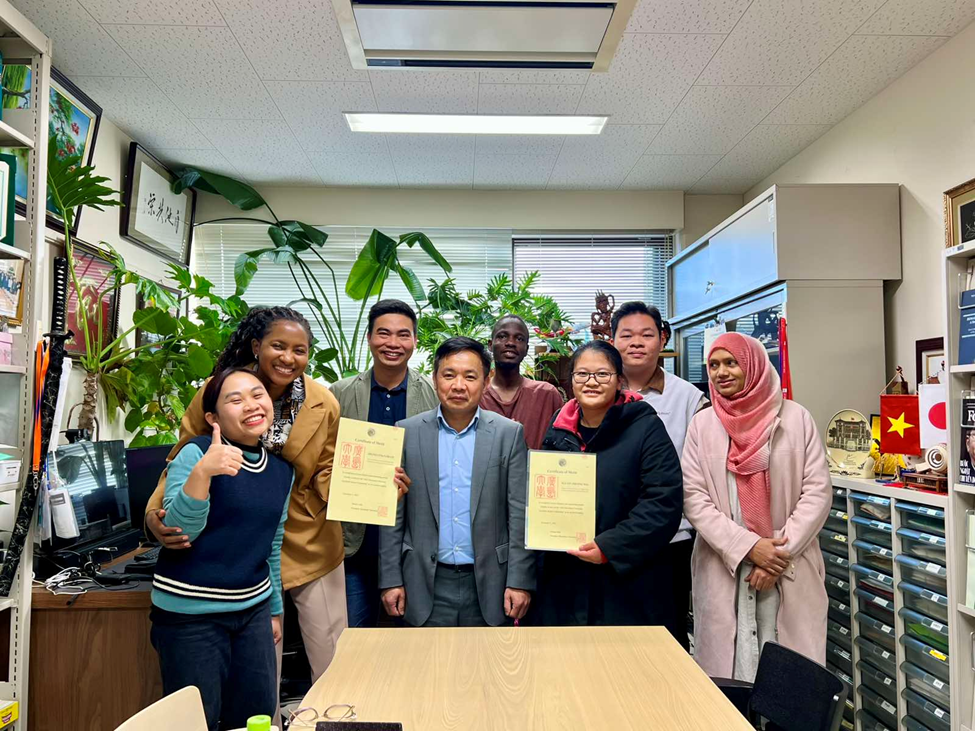
Lovisa Panduleni Johannes studied for her doctorate at the Graduate School of Advanced Science and Engineering, Hiroshima University. She published 5 scientific papers, participated in 2 scientific conferences, and received 2 awards from Hiroshima University (2024 2nd Semester HU Leader Program Excellent Scholarship; Hiroshima University Excellent Student).
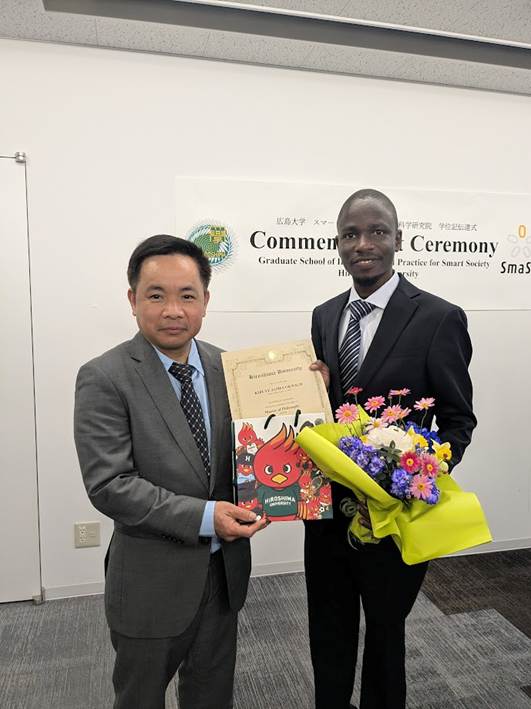
James Kibuye completed his master’s degree in 1.5 years at the Graduate School of Innovation and Practice for Smart Society at Hiroshima University. He has gained the Best Poster Award at the AY2025 Fall Semester Degree Thesis Interim Report Session.
After eight grueling years researching in Japan with many obstacles, Dr La Hoang Anh has proven the potential of compounds in rice grains and weed to prevent blood cancer.
At 35 years of age, Dr. La Hoang Anh is currently a post-doctoral researcher at the Sophia Agricultural Engineering Research Institute. This is an accredited organization that is co-managed by the French National Research Institute for Agriculture, Food and the Environment, Côte d’Azur University, and the French National Centre for Scientific Research (CNRS).
He has been in France for nearly a year now under the French Government Excellence Initiative Scholarship. Before this, he graduated with a PhD in Agricultural Studies at Hiroshima University, Japan, with high distinction.
His dissertation focused on the blood cancer-preventing potential of natural active ingredients extracted from invasive weed and rice plants. Under the instruction of Professor Tran Dang Xuan — a renowned Vietnamese scientist in Japan — the study results garnered attention for opening up new research avenues.
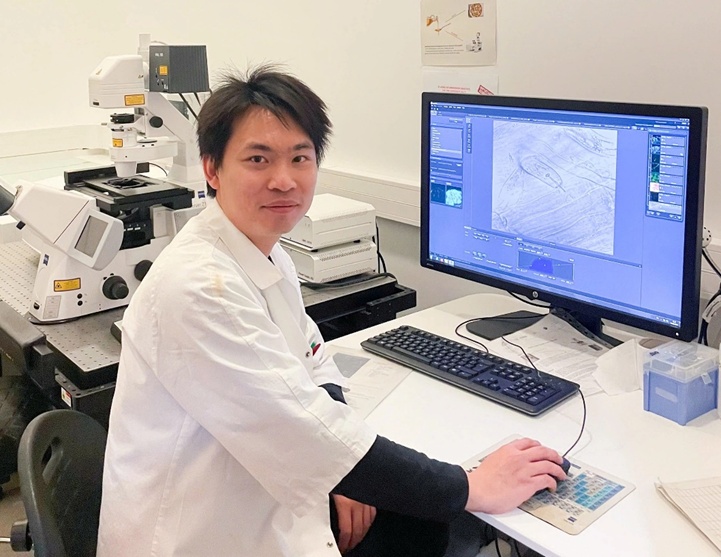
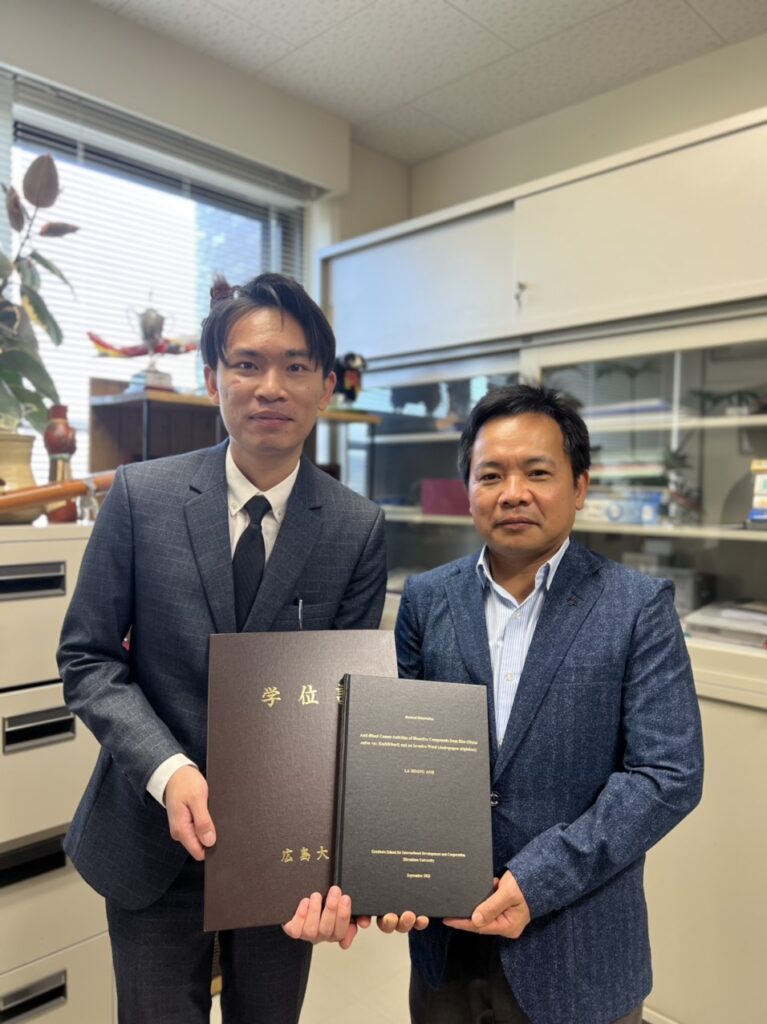
Dr. La Hoang Anh in his laboratory in Japan
He came to Japan and enrolled in Hiroshima University’s Master’s in Agriculture in 2015 after graduating from the Vietnam National University of Agriculture. Within two years, he published 11 papers in ISI and Scopus journals, graduated with high distinction with a GPA of 2.94/3, and received Ph.D.-level scholarships from the French and Japanese governments.
He decided to stay in Japan, continuing to develop his Master’s thesis topic on Momilactone A and B compounds in rice. These compounds are 30,000 times more valuable than gold, according to a famous company specializing in biochemical products in England.
He focused on proving that they play a role in accelerating the process of apoptosis in blood cancer cells and preventing them from multiplying. He benefited from part of the results, as before this, the research group’s supervisors had found and successfully isolated Momilactone A and B from rice husks and white rice, simultaneously proving that they have the ability to suppress diabetes and obesity.
Despite this, during his first year, he reached a dead end when he was unable to find a suitable research method. There was a period when he stayed in the research laboratory for 2–3 consecutive days to monitor chemical reactions but failed to yield results after hundreds of attempts.
“It was the first time I thought about having to ‘repeat a year,’ being unable to complete my Doctorate program within 3 years,” He shared. “More importantly, I could have had to give up on a promising line of research.”
Facing a dead end, he thought about Vu Quang Lam, a classmate specializing in Biology at the Hanoi National University of Education High School for Gifted Students, currently pursuing a doctorate at Aichi Medical University, Japan.
Having received a chance to collaborate with a number of lecturers through his friend’s connections and doing an internship at Aichi University’s laboratory for a month, he solved all of his initial struggles, finally comprehending the mechanisms of cancer to propose a research method.
He, along with his group, proved the blood cancer-preventing potential of Momilactone A and B compounds in rice. Furthermore, these compounds, along with their mixtures, have the ability to substantially suppress the development of cancer cells compared to popular cancer-curing medications such as doxorubicin and arsenic trioxide (ATO).
In 2022, this research was published in Cancers — a Q1 (most prestigious) journal specializing in cancer research — and was expected to lay the groundwork for research and development of effective cancer treatments based on Momilactone.
The group also opened another research avenue related to invasive weed, also known as reed grass. By applying various high-tech extraction methods, Dr. La Hoang Anh and his colleagues successfully isolated a number of substances that fight against oxidation and suppress the enzyme tyrosinase and blood cancer cells in these plants. The results were first published at the end of 2020 in Plants — a Q1 journal specializing in plant science.
The study made waves and was mentioned in various health journals as the first study that found new potential in invasive weed.
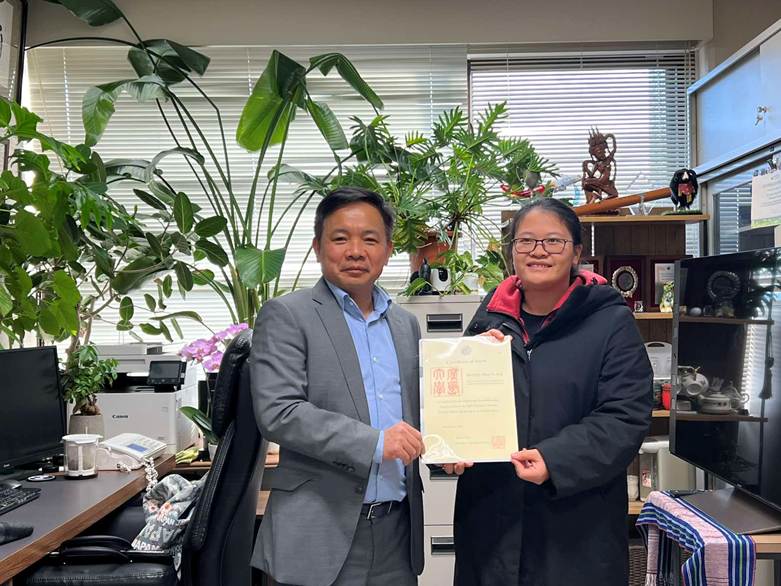
In both publications, Dr. La Hoang Anh was the first author. Thanks to this, he was twice awarded the Outstanding Student Award by the President of Hiroshima University.
From then on, he has collaborated in instructing 10 doctoral students and 7 master’s students.
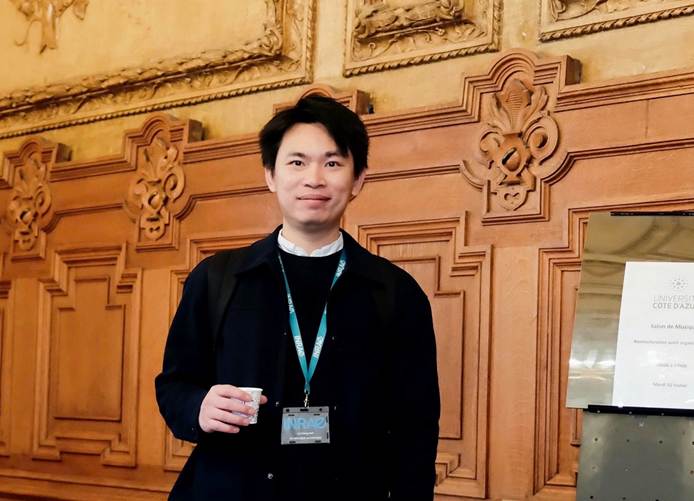
Dr. La Hoang Anh at a conference in France
During his time in Japan, Dr. La Hoang Anh felt lucky to be part of the research group of Professor Tran Dang Xuan. He still remembers his supervisor’s teaching from the first days of enrolling in university: “Regardless of their innate abilities, the most crucial qualities for students are discipline, diligence, and determination.”
Seeing his supervisor working until 3–4 o’clock in the morning and not taking breaks even when he was sick gave him more motivation.
Dr. Vu Quang Lam, a postdoctoral researcher in the Department of Haematology, Faculty of Internal Medicine at Aichi Medical University, comments on Dr. La Hoang Anh as passionate and open-minded. He mentioned the time Dr. La Hoang Anh came for the internship during the outbreak of the COVID-19 pandemic. Despite that, he completed all procedures, vaccination processes, and quarantine requirements to be present as planned.
Dr. Vu Quang Lam also commented: “He is always responsible and usually ensures progress in his work, regardless of any difficulties.”
Until now, Dr. La Hoang Anh has nearly 40 publications in international journals, with 35 of them in the “Web of Science” catalog — the world’s largest academic indexing system — with over 600 citations. He is also the author of a chapter published by the world’s top science publisher, Springer Nature, along with numerous scientific reports presented at prestigious conferences.
In addition, he has participated in various initiatives aimed at supporting his hometown through the Vietnam-Japan Specialists (VJS) and the Vietnamese Academic Network in Japan (VANJ). In 2023, Dr. La Hoang Anh was awarded a certificate of merit by the Consul General of Vietnam in Fukuoka for his outstanding contributions to the community.
Dr. La Hoang Anh yearns to return to his home country at a suitable time, as he regards Vietnam as having high potential for development in agricultural research.
“I want to contribute to public well-being and my home country’s agriculture sector by developing practical research, thus creating valuable products,” he said, citing the development of functional foods or drugs based on research into the cancer-fighting potential of rice and weeds as an example.
Congratulations to Lovisa Panduleni Johannes on successfully completing her Doctoral Final Examination.
She graduated with a Master’s degree in Mechanical Engineering, Hiroshima University in 2023 and is pursuing a PhD at the Graduate School of Advanced Science and Engineering, Hiroshima University. During her PhD studies, she published 5 scientific papers, participated in 2 scientific conferences, and received 2 awards from Hiroshima University (2024 2nd Semester HU Leader Program Excellent Scholarship; Hiroshima University Excellent Student).
Panduleni receives the Hiroshima University Excellent Student 2025
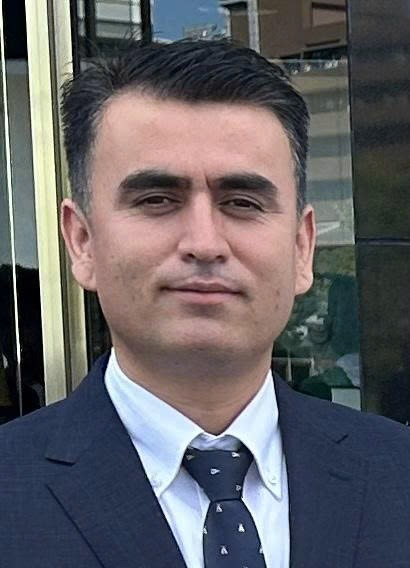
In December 2025, Dr. Ramin Rayee concluded his appointment at Hiroshima University and commenced a new position as a Crop Breeder at Vilmorin Mikado Company in Chiba, Japan.
We sincerely thank Dr. Rayee for his valuable contributions to our laboratory and wish him every success in his future endeavors. We are confident that his expertise and dedication to scientific research will be a great asset in his new role.
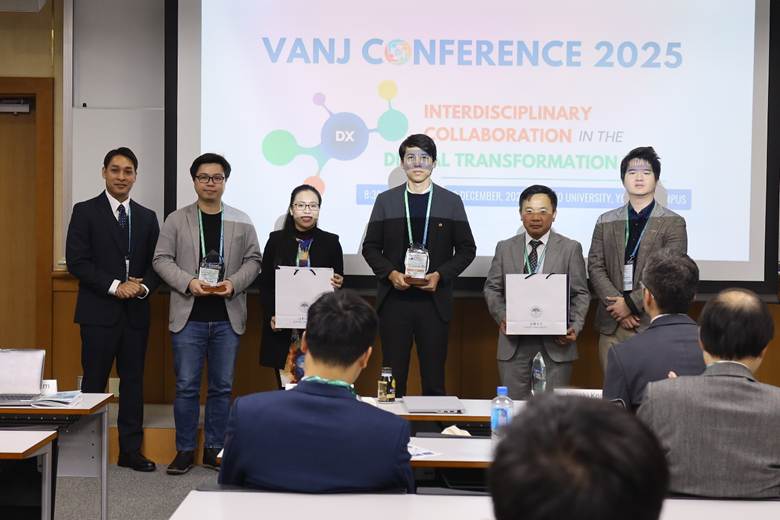
The VANJ Conference 2025 (VANJ 2025) in Japan fosters cooperation in science, technology, and education between Vietnam and Japan, aligning with national development goals.
On December 20th, at Kyoto University, the Vietnamese Academic Network in Japan (VANJ) held its annual conference on the theme “Interdisciplinary Collaboration in the Digital Transformation Era.”
This forum brought together numerous Vietnamese experts working at prestigious universities and research institutes in Japan to exchange ideas aimed at strengthening bilateral cooperation between Vietnam and Japan in the fields of science and technology.
The VANJ conference 2025 was also organizing partner by the Vietnam-Japan Specialists Association (VJS), the Association of Vietnamese Intellectuals in Japan (AVIJ), and the Vietnamese Youth and Student Association in Kyoto (VYSA Kyoto).
Speaking at the conference, Professor Tran Dang Xuan (Hiroshima University), the President of VJS, emphasized that Vietnam’s Party and Government have set a goal of tripling Vietnam’s Gross Domestic Product (GDP) by 2045 compared to 2020. Resolution No. 57-NQ/TW dated December 22, 2024, of the Politburo on breakthroughs in science, technology, innovation, and national digital transformation plays a key role in this goal.
According to Professor Tran Dang Xuan, only science, technology, and education can help Vietnam achieve this goal. Therefore, conferences like VANJ 2025 will serve as a bridge for Vietnamese and Japanese scientists to strengthen scientific research cooperation, international cooperation, and focus on Vietnam.
To achieve this, Professor Tran Dang Xuan suggested that VANJ be more proactive in inviting and connecting outstanding Vietnamese scientists in Japan and Japanese scientists, strengthening scientific research cooperation, and promptly submitting concrete proposals to relevant agencies in Vietnam such as the Ministry of Science and Technology, universities, and research institutes.
At the VANJ conference 2025, in addition to the plenary session, there were 7 thematic discussion sessions covering economics, education, robotics, and Internet of Things (IoT) applications, advanced materials, nanotechnology, biomedical science, sustainable agriculture, and 3 general themes, along with 26 scientific posters.
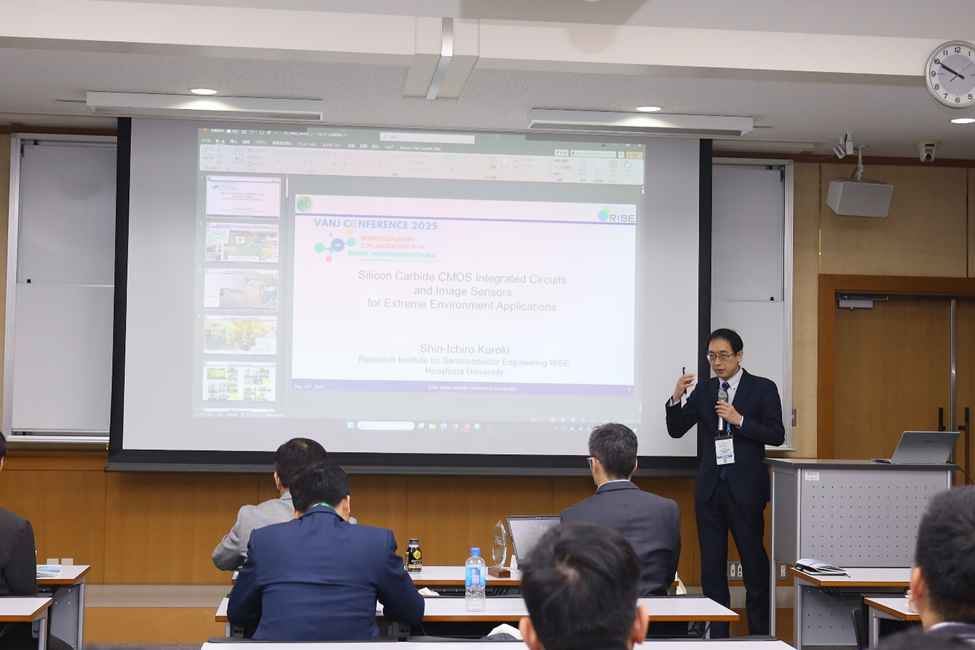
Professor Shin-Ichiro Kuroki (semiconductor specialist, Hiroshima University), Associate Professor Le Duc Anh (Tokyo University, President of AVIJ), Professor Pham Nam Hai (Tokyo Research Institute), Associate Professor Hisaki Kono (Kyoto University) … along with many Vietnamese and Japanese researchers, participated and spoke at the conference.
The annual VANJ conference, held since 2016, attracts the participation of many young scientists, researchers, and students from Vietnam and abroad in Japan.
The VANJ organizing committee is considering holding an annual VANJ conference in Vietnam to further attract the attention of scholars from both countries, thereby strengthening bilateral scientific research and educational cooperation between Vietnam and Japan.
The VANJ conference 2026 will be held at Hiroshima University.
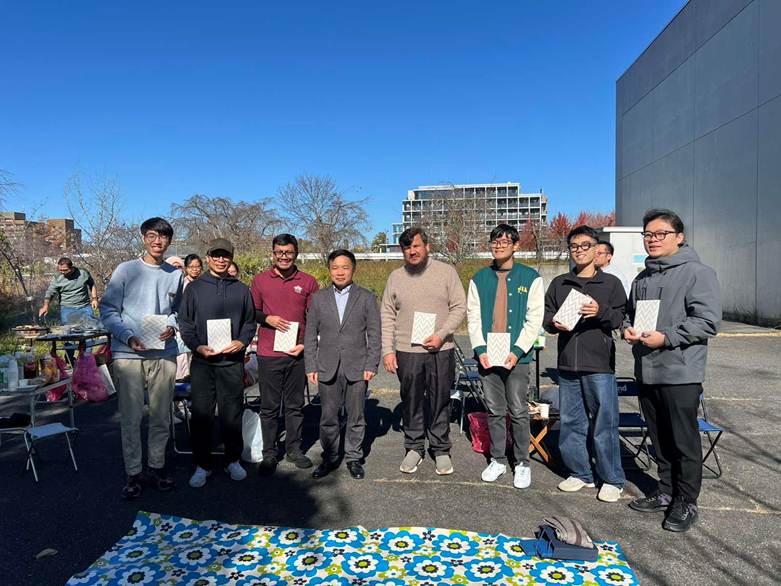
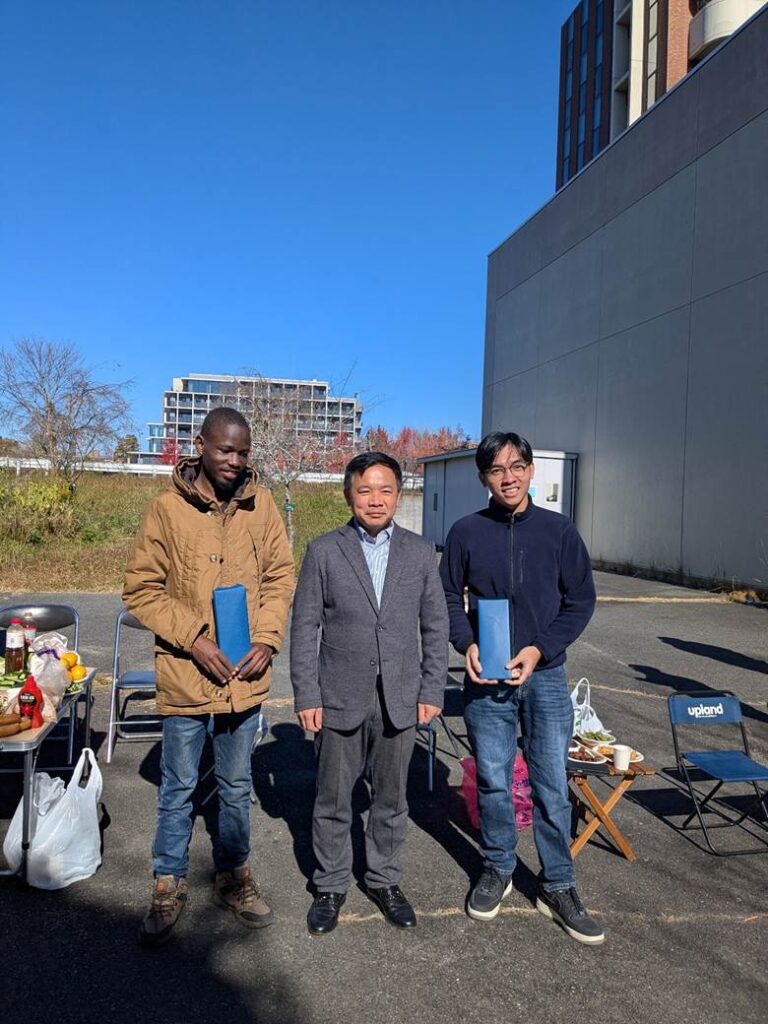
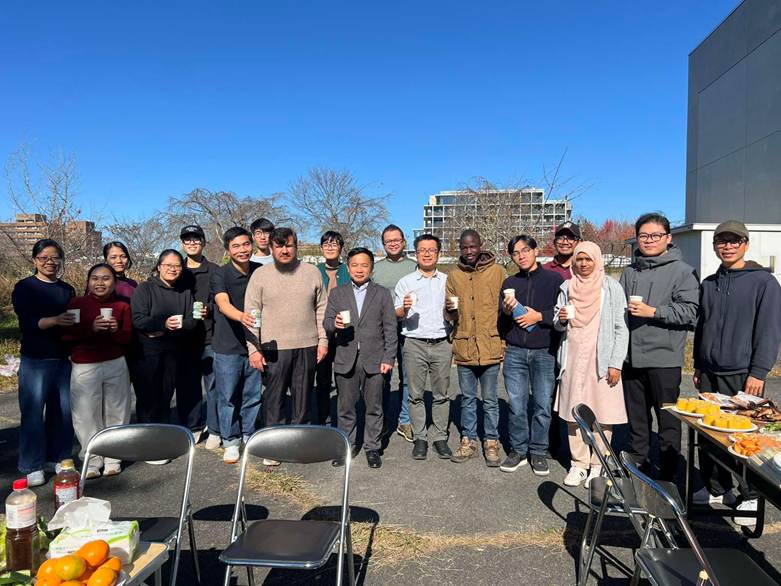
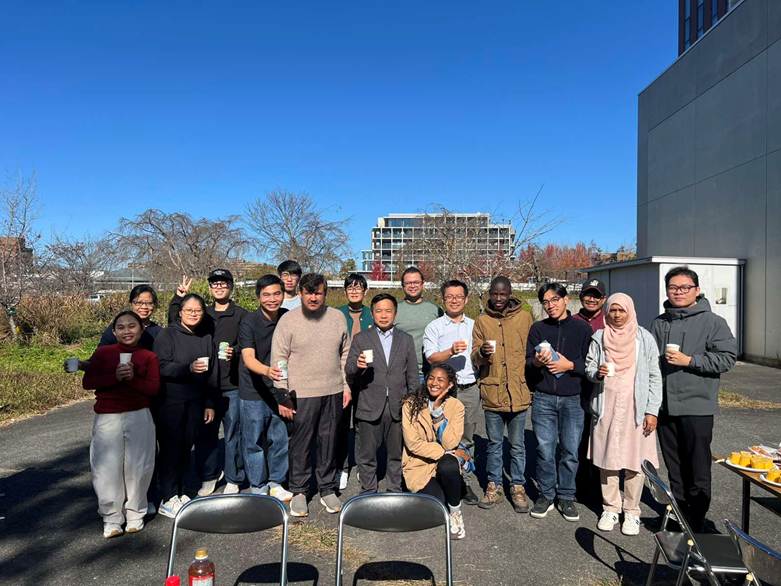
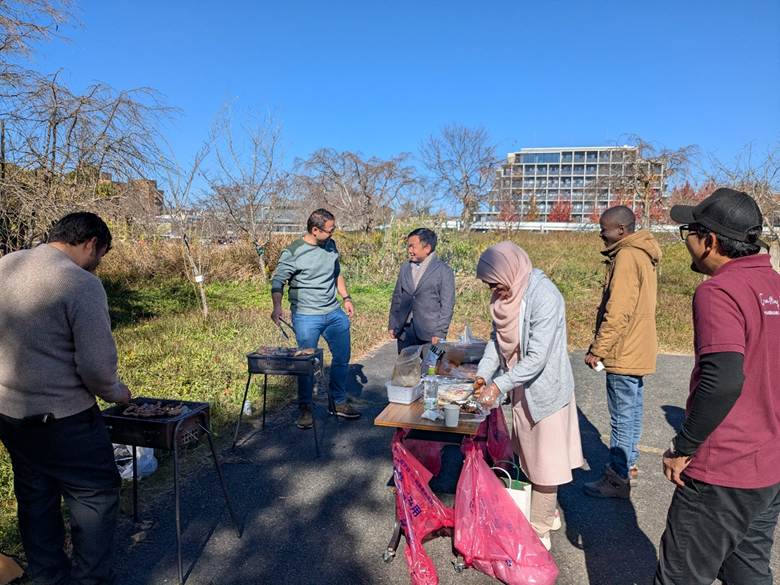
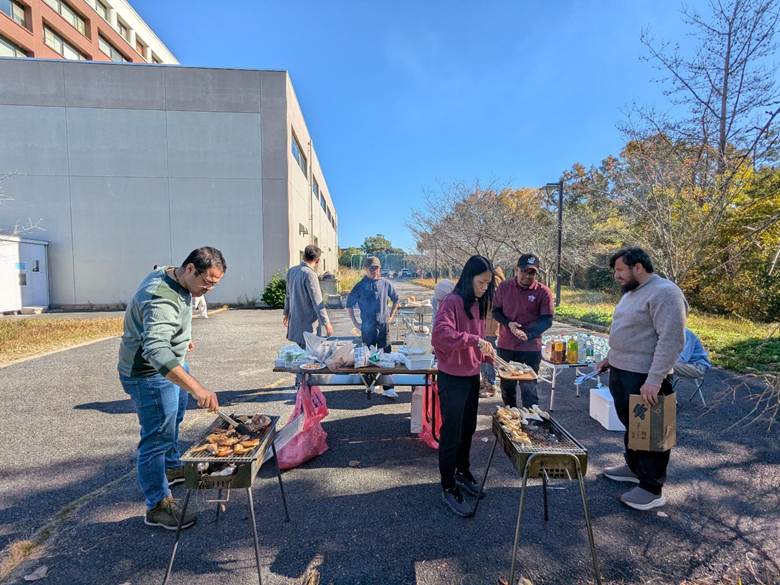
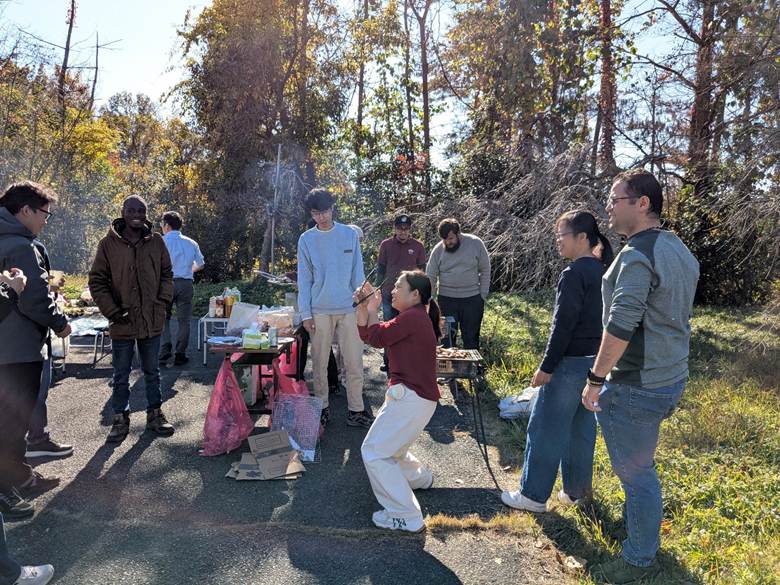
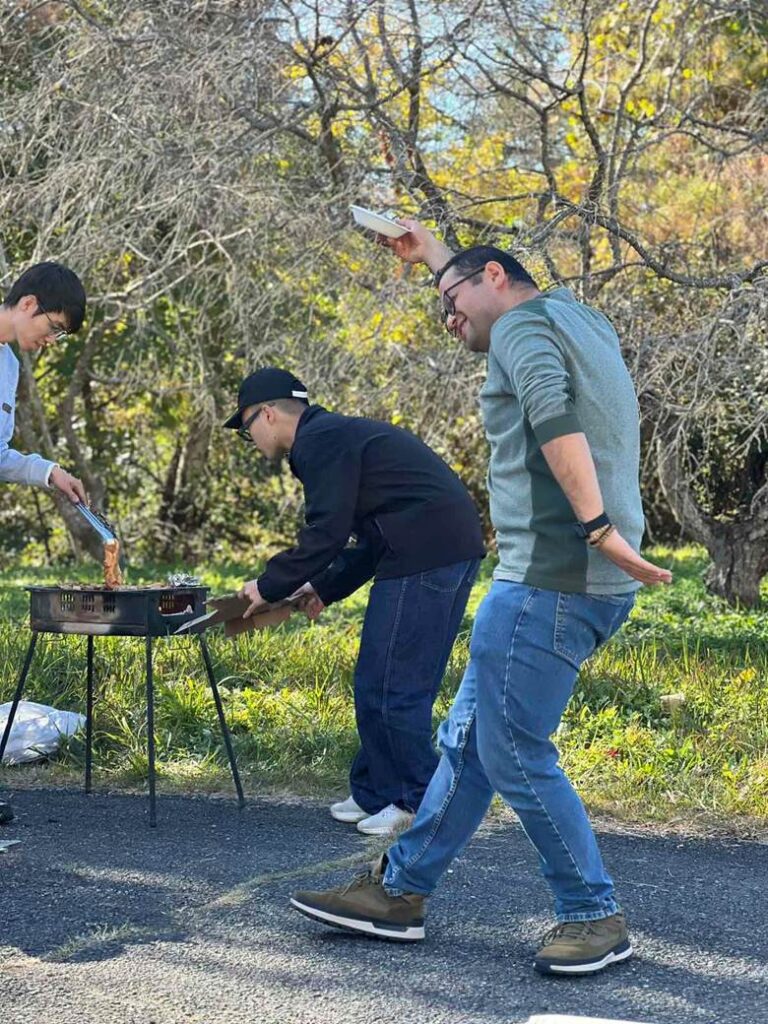
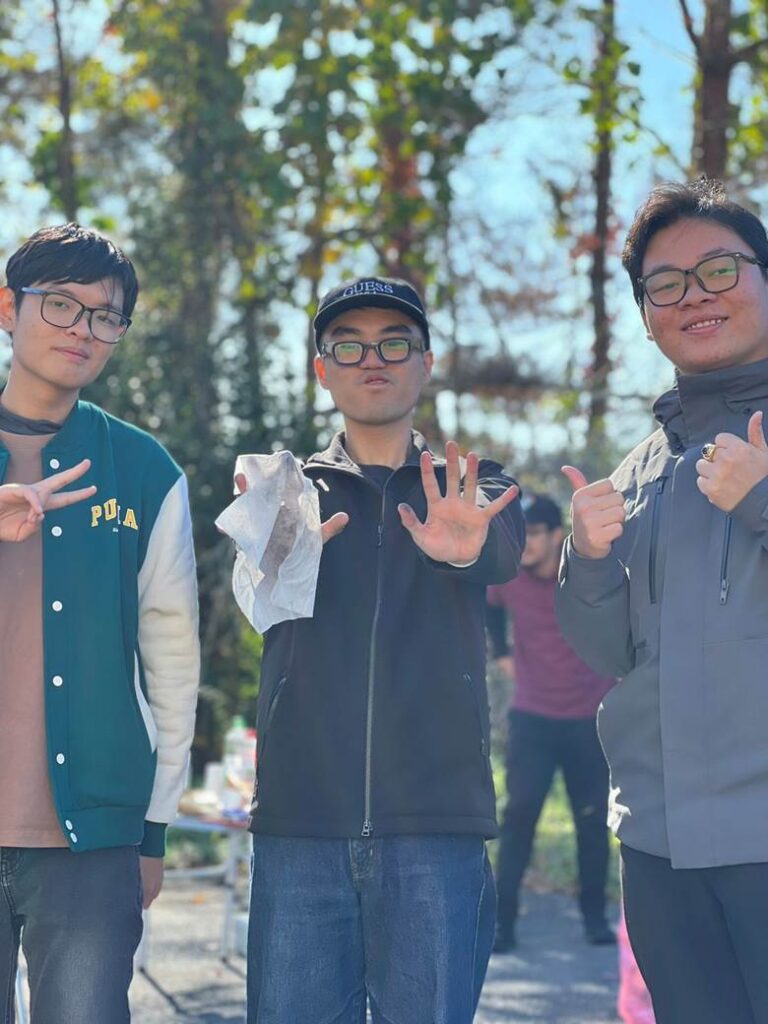
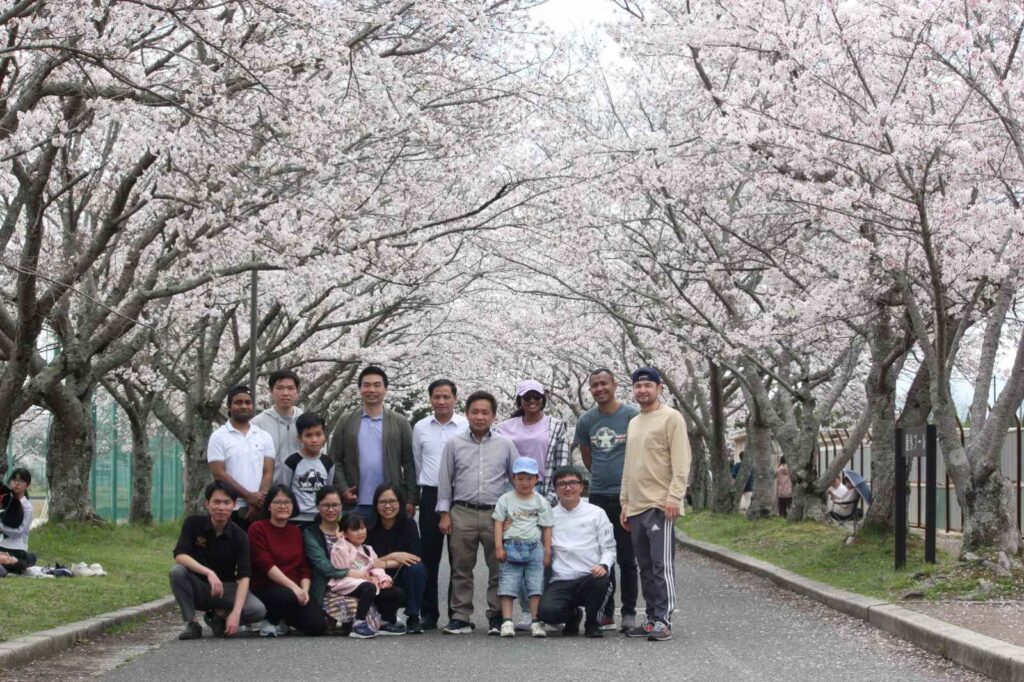
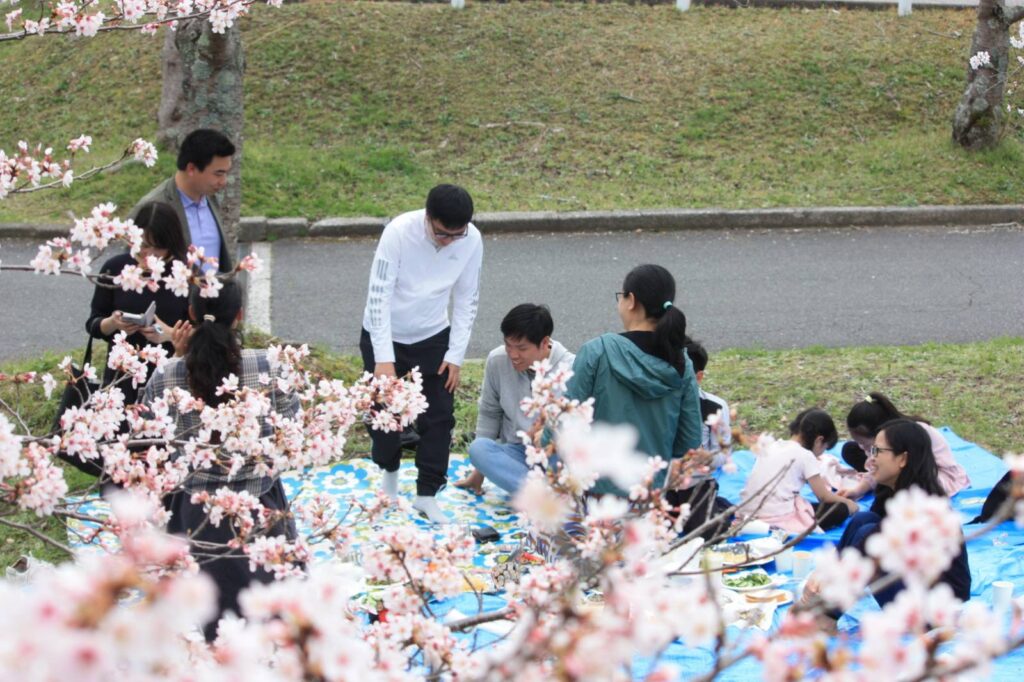
To welcome the nine new members who joined Xuan’s Laboratory, we gathered for a cozy outdoor BBQ at Hiroshima University.
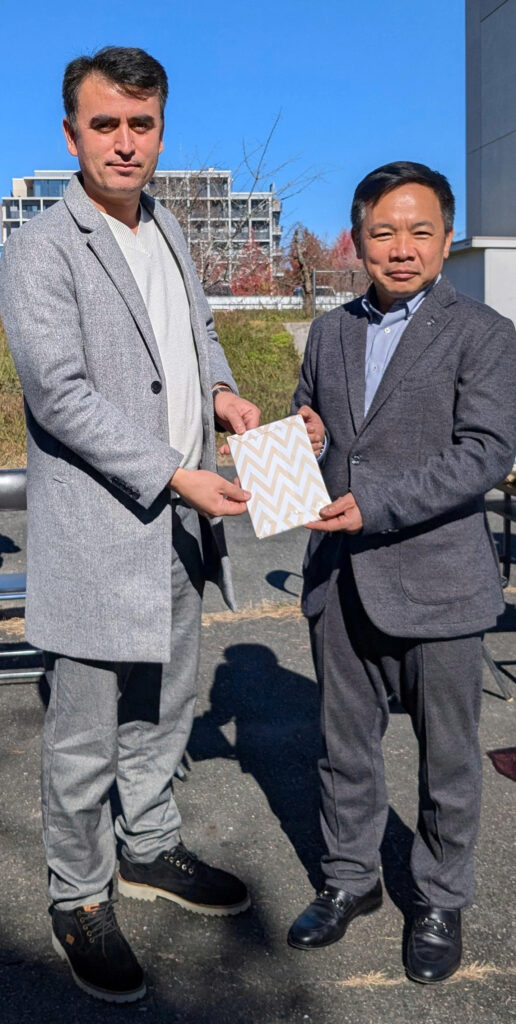
Professor Tran Dang Xuan gives gifts to new members of the Lab
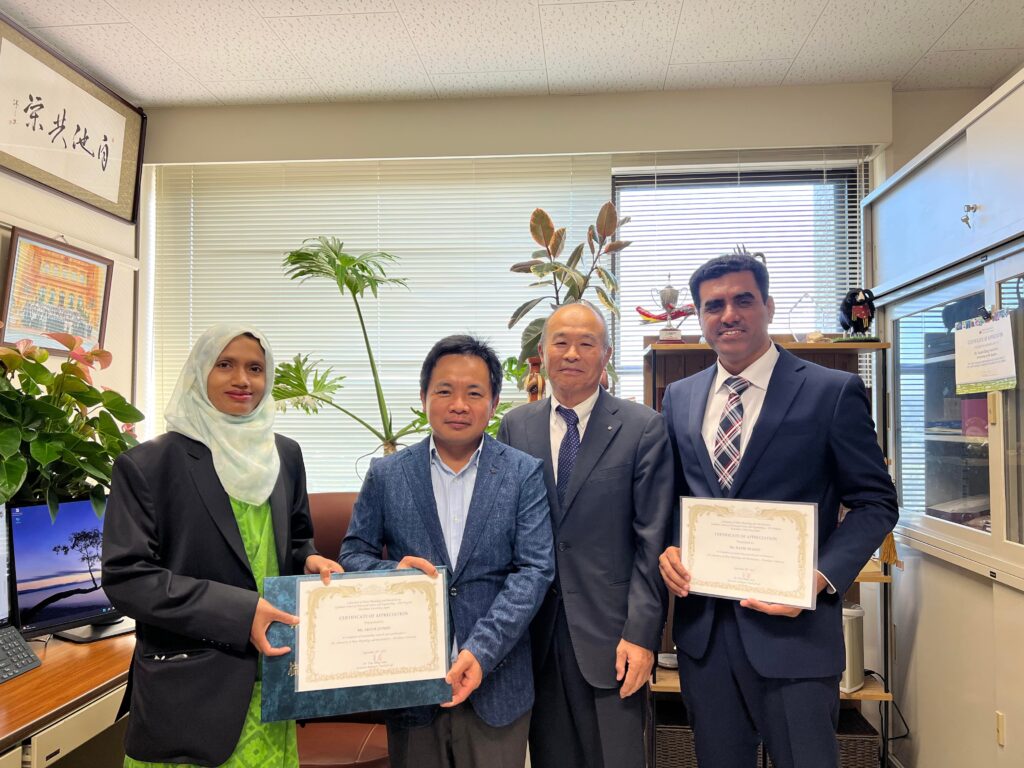
Professor Tran Dang Xuan presents gifts to students who won the excellent poster award
With them, our lab family has grown to eighteen.
Surrounded by good food and easy conversation, we enjoyed a relaxed, friendly atmosphere where we could truly connect and celebrate this new beginning together. We’re excited to work side by side, inspire one another, and grow together through the research ahead.
On April 7, 2024, Xuan Lab organized a welcome party to greet new members. In the spring semester 2024, our lab is delighted to welcome two new students, Mr. Ngo Duy Dong (Ph.D. course) from Vietnam, and Mr. James Kibuye (Master’s course) from Kenya.
Furthermore, from this semester, we are pleased to announce the new positions of our lab members, Dr. Nguyen Van Quan and Dr. Nguyen Van Thinh have been appointed as Assistant Professors. Additionally, Dr. Tran Thien Long has been engaged in our lab as Postdoctoral Researcher.
Welcome to Xuan Lab! Let’s work together and strive for great achievements in the time ahead.
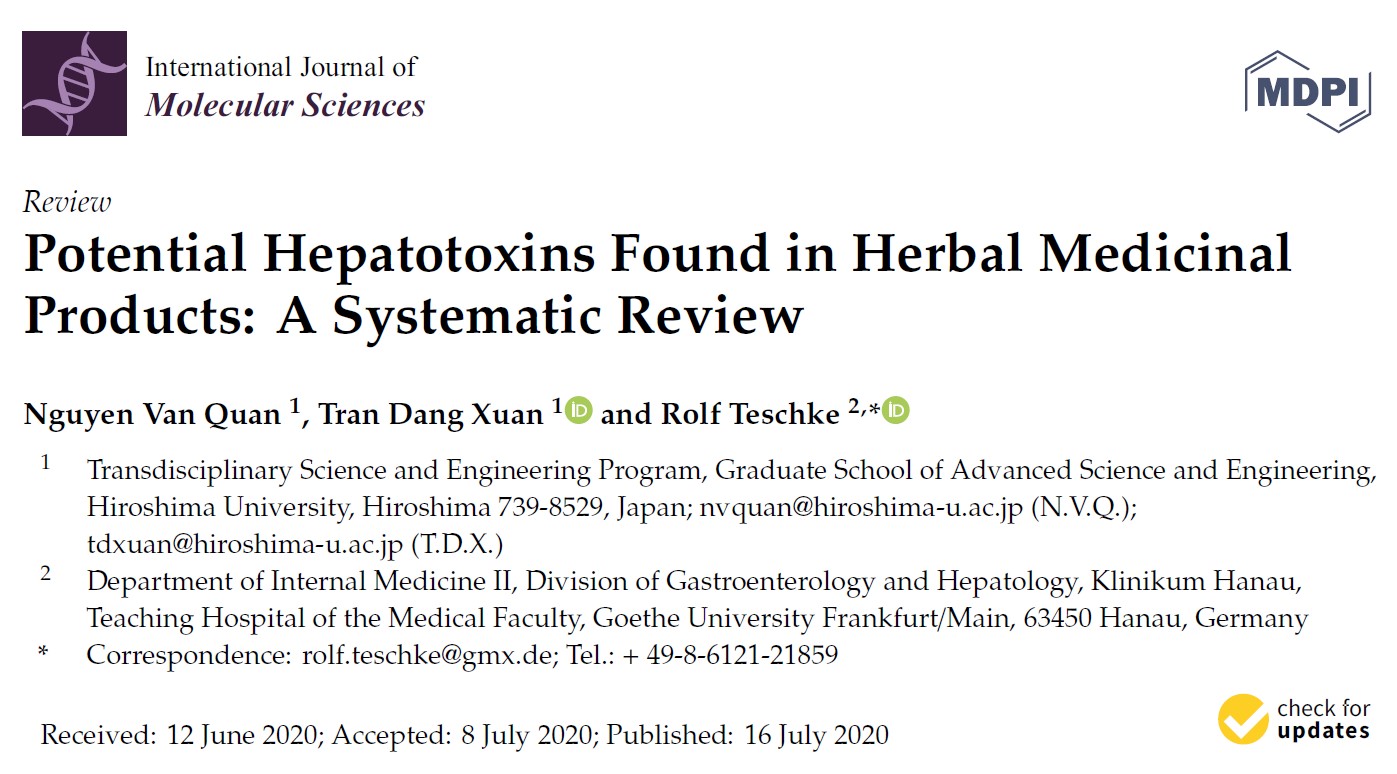
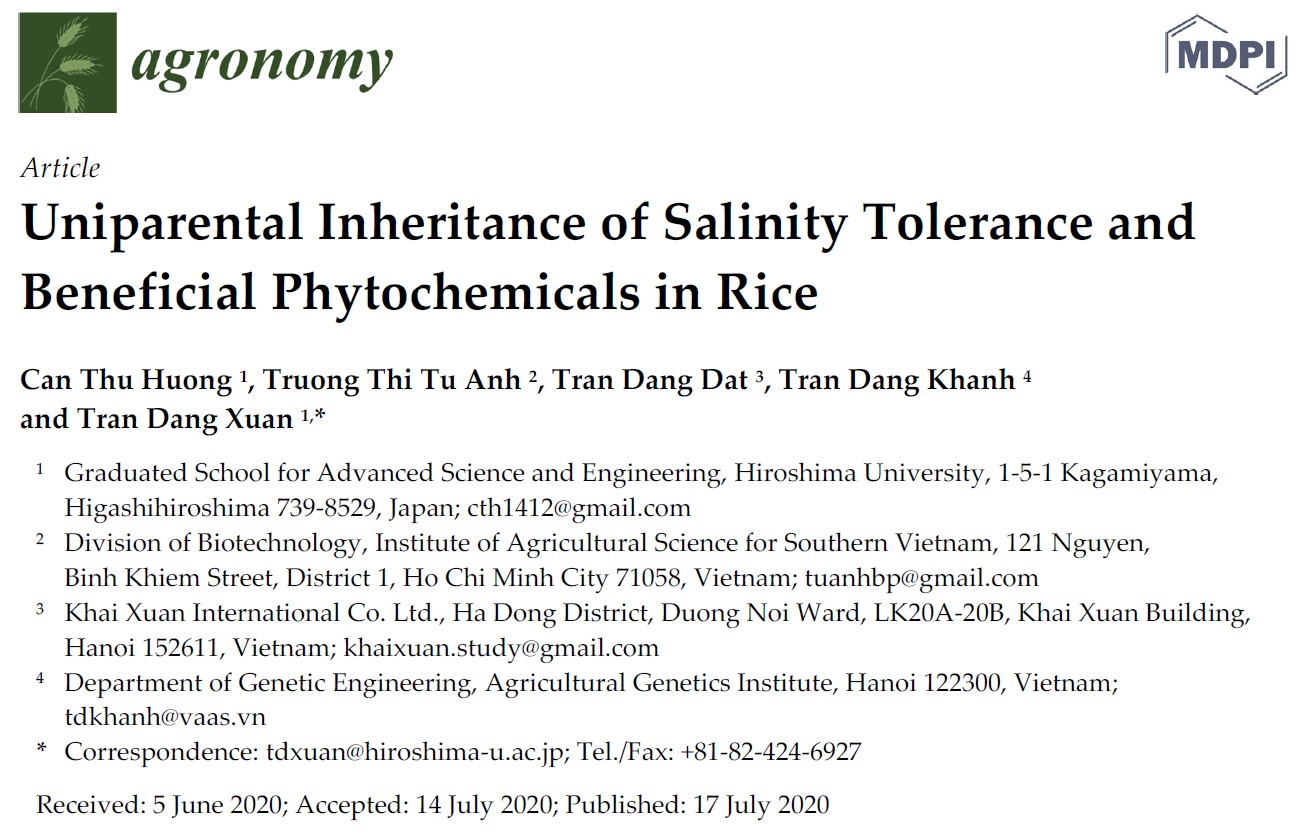
We, Xuan LAB members, are pleased to announce that two outstanding studies have been published on Q1 journals, International Journal of Molecular Sciences and Agronomy.
The first paper entitled “Potential Hepatotoxins Found in Herbal Medicinal Products: A Systematic Review” is on the International Journal of Molecular Sciences (IF=4.556). Full text
The second one is “Uniparental Inheritance of Salinity Tolerance and Beneficial Phytochemicals in Rice” (IF=2.603). Full text